Is K9-Alert a dog barking alarm Australia homeowners can install themselves?
Yes. It is a portable barking dog alarm kit with a motion sensor, receiver and remote. It does not require Wi-Fi, an app or a monthly fee.
Does a barking alarm replace locks or cameras?
No. It is a deterrent layer. Use it with locks, lighting, visibility and sensible storage of keys and valuables.
Where should I place it first?
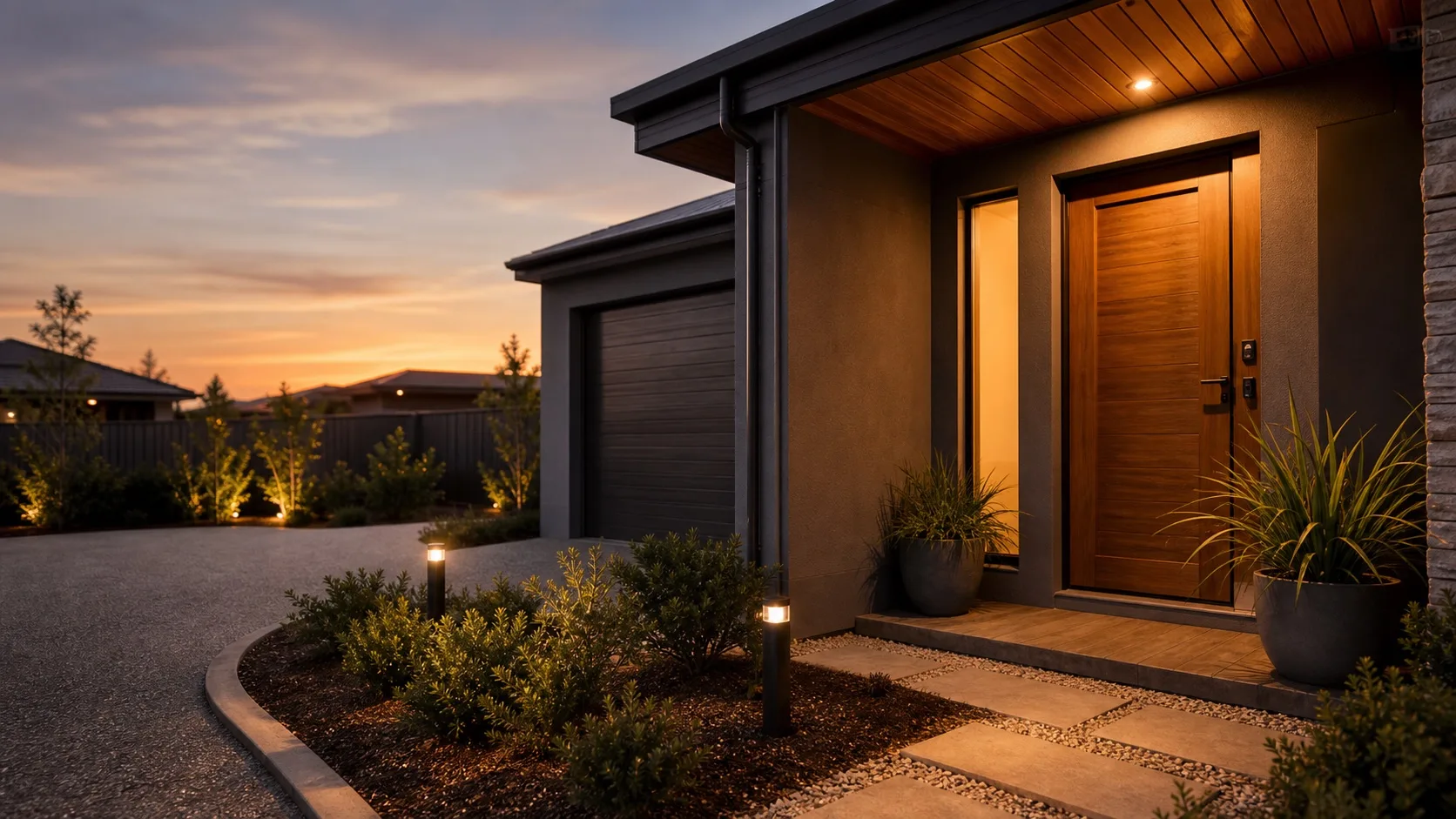
Start with the place where movement happens before entry: a front door, side path, porch or other approach to the protected door.
Does a barking dog alarm scare off burglars?
It can deter opportunistic burglars, which is its job. Australian Institute of Criminology research found dogs deterred 61.4% of interviewed burglars. A barking dog alarm borrows that cue: movement near the entry triggers up to 110dB of barking before anyone reaches the door. It will not stop a determined intruder, so keep locks and lighting in place.
Where should I put a barking dog security alarm?
Put the sensor where someone would approach, such as the front path, side gate or driveway, and the receiver inside near the wall closest to that approach, so the barking sounds as if it comes from inside. Keep the sensor sheltered from rain and direct sun, and test it before fixing it in place.
Can renters use a barking dog alarm?
Yes. Choose a portable position that does not need hard wiring, so the alarm can move from a unit door to a garage, side entry or your next home.
When is a barking dog alarm not enough?
It does not replace emergency services, insurance, strong locks, a monitored alarm or a professionally designed security plan. Think in layers: locks slow access, lighting improves visibility, cameras record, and the barking alarm makes the property sound occupied before contact. For high-risk premises, add it to stronger physical security rather than relying on it alone.