
TL;DR: The best deterrents work early: locked entries, clear sight lines, motion lighting, moved keys, neighbours who notice change, and an audible sign that the home is occupied. Cameras and recordings still help, but they are strongest when they sit behind layers that stop the approach first.
Author: Daniel Tang · Published: · Updated: · Reviewed references: Victoria Police, Australian Bureau of Statistics and Australian Institute of Criminology.
This guide is general prevention information for Australian households. If a person is inside, nearby, threatening you, or an incident is happening now, call Triple Zero (000).
What makes a deterrent effective?
A good deterrent changes the decision before entry. That matters because once a person is inside, the situation becomes more dangerous, more expensive and harder to control. Victoria Police prevention advice focuses on securing the property, securing valuables, making the home look occupied and making it harder for thieves to get in without being seen.
Those four ideas are more useful than buying one impressive device and hoping it covers every risk. A deterrent should tell an opportunistic intruder three things: the home is not silent, the route is not hidden, and there is a better chance of being noticed than expected.
The strongest layer is an occupied-home signal
Most residential offenders want a quiet, low-attention target. Australian Institute of Criminology research based on offender interviews found a dog was the most commonly named deterrent, with the bark itself important because it draws attention to the offender's presence.
That is the reason occupancy cues matter. A timer light, a radio, a parked car, a neighbour collecting mail and a barking sound all send a similar message: this property may not be empty. The more believable and responsive the cue, the stronger the warning feels.
| Deterrent | What it does well | Where it falls short |
|---|---|---|
| Locks and window hardware | Make forced entry harder and slower. | They may not stop someone from testing the door first. |
| Sensor lighting | Removes cover on the approach. | Light alone does not always make the home sound occupied. |
| Cameras and doorbells | Record evidence and may deter visible approach. | They depend on power, Wi-Fi, alerts and later review. |
| Barking or local alarm sound | Creates an immediate response before entry. | Works best with locked entries and visible lighting. |
| Neighbour awareness | Adds real human attention around the property. | Neighbours cannot watch every path at every hour. |
Protect the approach, not only the door
Many homes spend money on the front door while leaving the quiet path untouched: side gate, garage pedestrian door, rear laundry, bathroom window, shed path or carport. The approach is where the decision happens. If that route stays dark, silent and hidden, the best lock in the world is still being tested under better conditions for the offender.
Walk the outside of the property at night and look for routes where someone can leave the street and become less visible. Those are the places that need light, trimming, a locked gate and a local response before a hand reaches the handle.
Do cameras stop home invasions?
Cameras help, especially when they are visible and paired with lighting. They can record the approach, support a police report and show you what happened. The weakness is timing. A camera that only tells you later is still mostly an evidence layer.
Use cameras behind prevention layers. If the entry path has a lock, light and barking cue before the person reaches the door, the camera is no longer carrying the whole job. It becomes useful backup instead of the only defence.
Where K9-Alert fits
K9-Alert is designed for the approach stage. Place the wireless motion sensor at a front path, side gate, garage, shed path, carport or back entry. When motion is detected, the receiver plays realistic barking inside, so the home sounds occupied before someone tests the entry point.
It is not a monitored alarm, a lock, a camera, a police response or insurance. It is a no-Wi-Fi, no-subscription deterrent layer for the moment when sound can still change the decision. That is why it fits households that want something simple, portable and ready tonight rather than another app account.
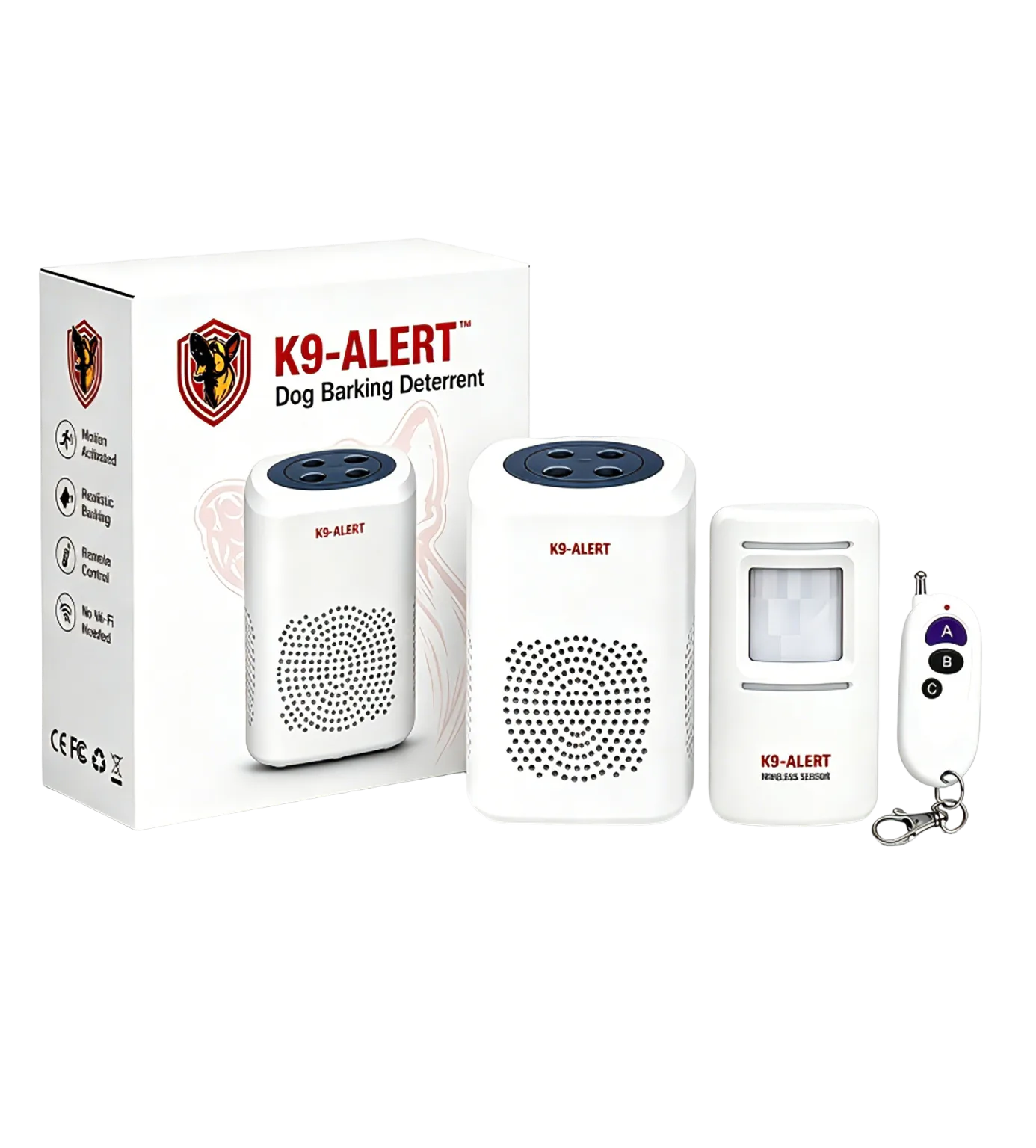
Make the home sound occupied before entry.
K9-Alert works without Wi-Fi, an app, wiring or a monthly fee. Set the sensor where someone must pass, plug in the receiver, and arm it with the remote when you leave or go to bed.
- A$99.95 buy-once kit with free Australian shipping.
- No electrician and no landlord permission for ordinary portable placement.
- Move it later between front door, garage, shed, rental or side path.
What should renters and apartment households do?
Renters usually need deterrents that do not drill, wire or change the property. Start with habits and portable layers: locked windows, moved keys, a door wedge when you are inside, lights on the approach you control, and a portable sound deterrent where the household feels exposed.
For a no-drill version of the plan, read Best Alarm for Renters Australia and Apartment Security for Renters Australia.
What should you do after a recent scare?
If someone tried a door, entered a yard, looked through a window or made you feel unsafe at home, treat the next night as a reset. Move keys, lock the side path, add light, tell a neighbour and make the quiet approach respond. If you were already broken into, follow the 7-step break-in checklist before buying anything.
The point is not to build a fortress. The point is to make your home a harder, louder and less predictable target than it looked yesterday.
Common questions about home invasion deterrents
What is the best home invasion deterrent?
The strongest setup is layered: locked entries, clear sight lines, motion lighting and an audible occupancy cue before someone reaches the door. A barking deterrent is useful because it makes the home sound occupied at the approach stage.
Do cameras stop home invasions?
Cameras can discourage some offenders and help record evidence, but they often work after the decision to approach has already been made. Use cameras with locks, lighting and a sound cue that activates before entry.
Can K9-Alert replace locks or police reporting?
No. K9-Alert is a deterrent layer, not a lock, police response, monitored alarm or insurance replacement. It is designed to add a local barking cue before someone tests the entry point.
References
- Victoria Police, Prevent home burglaries
- Australian Bureau of Statistics, Crime Victimisation 2024-25
- Australian Institute of Criminology, The 'oldest tricks in the book' don't work!