
TL;DR: Contrary to the northern-hemisphere assumption, Australian burglaries peak in summer, not winter, and July is the quietest month. What winter changes is visibility: it is dark before many people get home, so an empty, unlit house can sit exposed through the late afternoon. The fix is to make the home look and sound occupied before dark with timed lights, a lit approach and an audible cue at the path.
Author: Daniel Tang · Published: · Updated: · Reviewed by: K9-Alert source review · Reviewed sources: ABS Crime Victimisation 2024-25, Budget Direct burglary timing analysis, Victoria Police burglary prevention guidance and Australian Institute of Criminology offender research.
This guide is prevention education for Australian households. It is not emergency, legal or insurance advice. If a break-in is happening now, call Triple Zero (000).
Do break-ins really rise in winter in Australia?
It is a common assumption that long, dark winter nights are the worst season for burglary. In Australia, the recorded data points the other way. An analysis of Australian recorded burglary data by insurer Budget Direct found that summer was the peak burglary season, with February the busiest month and July the quietest, by a wide margin in the years studied.
That is the opposite of the northern-hemisphere pattern many of us picked up from overseas films and news. Warmer months in Australia bring open windows, more time away from home, holidays and longer evenings outdoors, which all create opportunity. So if you are bracing for a winter crime wave, the numbers do not support the panic.
But "lower season" is not "no season". The ABS estimated 196,600 Australian households experienced a break-in and around 217,500 experienced an attempted break-in in 2024-25. Those incidents happen across every month of the year, and winter brings one specific change worth planning for: darkness arrives early.
Why winter still changes the risk
The same Budget Direct analysis found early morning, roughly midnight to 6am, was the most common window for burglaries, at around 40% of reported incidents, with Friday and Saturday the most common days. In winter, an extra slice of risk opens earlier in the day: in much of southern Australia it is dark not long after 5pm, well before many households finish work or pick up children.
That matters because opportunistic offenders look for a home that reads as empty. Australian Institute of Criminology research into active burglars found they favoured low-activity, easy-access properties, and most often named a dog and a working alarm as the deterrents that put them off. A house that is black and silent at 5:30pm sends exactly the wrong signal during the after-work commute window.
A winter crime spike
The data shows summer, not winter, is the peak season for break-ins, so there is no reason to panic in June.
Early darkness
It is dark before many people are home, so an unlit house can look empty for hours in the late afternoon.
Occupied before dark
Timed lights, a lit approach and a sound cue make the home read as occupied during the dark commute gap.
The dark-by-5pm checklist
This is the short version. Each item is a five-minute change you can make this week, ordered from easiest to most useful.
| Change | Why it works in winter | Effort |
|---|---|---|
| Put two interior lights on timers | The house is not black at 5pm; it looks lived-in during the dark commute gap. | Low |
| Light the front and side approaches | Removes the dark cover an offender needs to test a door or window unseen. | Low |
| Lock side gates and the internal garage door | Stops a quiet, unlit private corridor to the rear of the house. | Low |
| Close blinds where valuables are visible | A lit room with gear on show is more tempting once it is dark outside. | Low |
| Move keys and bags away from the door | Car keys near an entry are the target in many modern break-ins. | Low |
| Add an audible response at the approach | Movement on the dark path is met with sound, so the home reads as occupied. | Medium |
The after-work gap: 4pm to 7pm
In summer, this window is still daylight, so an empty house is visible to neighbours and passers-by. In winter, the same hours are dark, and that is the single biggest seasonal change to plan for. A home that goes dark and stays dark from sunset until someone arrives at 6:30pm is advertising that nobody is in.
The goal is not to pretend the house is a fortress; it is to remove the easy read. Timed interior lights that switch on before sunset are the cheapest fix. A lamp in the living room and one toward the back of the house, on a simple timer or smart plug, breaks the "all black" signal. Pair that with motion lighting on the path, and the house looks occupied and watched.
If you regularly arrive home after dark, also think about the approach itself. Victoria Police prevention guidance is built around four ideas: secure the property, secure valuables, make it look like someone is home, and make it harder for thieves to get in without being seen. Early darkness undermines the third and fourth of those, so winter is the season to reinforce them deliberately.
Winter trips, ski weekends and empty homes
Winter brings its own travel: snow trips, school holidays, long weekends and visits to family in warmer states. An empty home over a dark winter weekend needs the same care as a summer holiday. If you are heading away, layer your absence cover: timed lights on varied schedules, a paused or redirected mail and delivery flow, a neighbour briefed to park in the driveway or move bins, and an audible deterrent on the main approach.
For a full pre-trip routine, the home security while on holiday guide walks through the checklist step by step, and the holiday-period security guide covers the longer break. The winter version is the same playbook with one addition: because it is dark so early, the lighting timers matter even on a normal weeknight, not just when you travel.
Cold-weather entry points people forget
Winter habits open a few specific weak points. Heaters, drying laundry and condensation push people to leave windows ajar, and short, cold dashes to the car or bin can mean doors left unlocked "just for a minute". Those small habits are exactly what an opportunistic offender is hoping to find.
- Bathroom and laundry windows: often cracked open for ventilation in winter; fit a lock or limiter so they cannot open wide enough for entry.
- The internal garage door: treat it as an outside door, especially when the car and its keys live in the garage.
- Side gates and back paths: in the dark these become an unseen route; lock the gate and light the path.
- The "quick dash" door: the back door left unlocked while you duck out to the bin is a habit worth breaking on cold nights.
- Sheds and outbuildings: tools and bikes stored for winter are a target; the shed and tool theft guide covers low-wiring options.
See the barking dog alarm in action
Reading about a deterrent is one thing; hearing it is another. This short demo shows the K9-Alert barking dog alarm detecting movement and playing realistic barking, so you can judge the volume and tone for yourself before deciding where to place it.
Where K9-Alert fits in a winter setup
AIC research found a dog was the most common deterrent named by surveyed active burglars, and the report notes the dog did not need to be large; the barking mattered because it drew attention. K9-Alert is a motion-activated barking dog alarm that applies that same occupied-home cue at the approach, which is useful precisely during the dark after-work gap when there is no daylight doing the work for you.
Place the wireless sensor where movement starts: front path, porch approach, side gate, garage entry or a covered back path. When motion is detected, the receiver inside plays realistic barking, so a person on the dark approach hears a dog before they reach a door or window. It needs no Wi-Fi, no app and no monthly fee, so it works in sheds, garages and rentals where wiring or subscriptions are not practical.
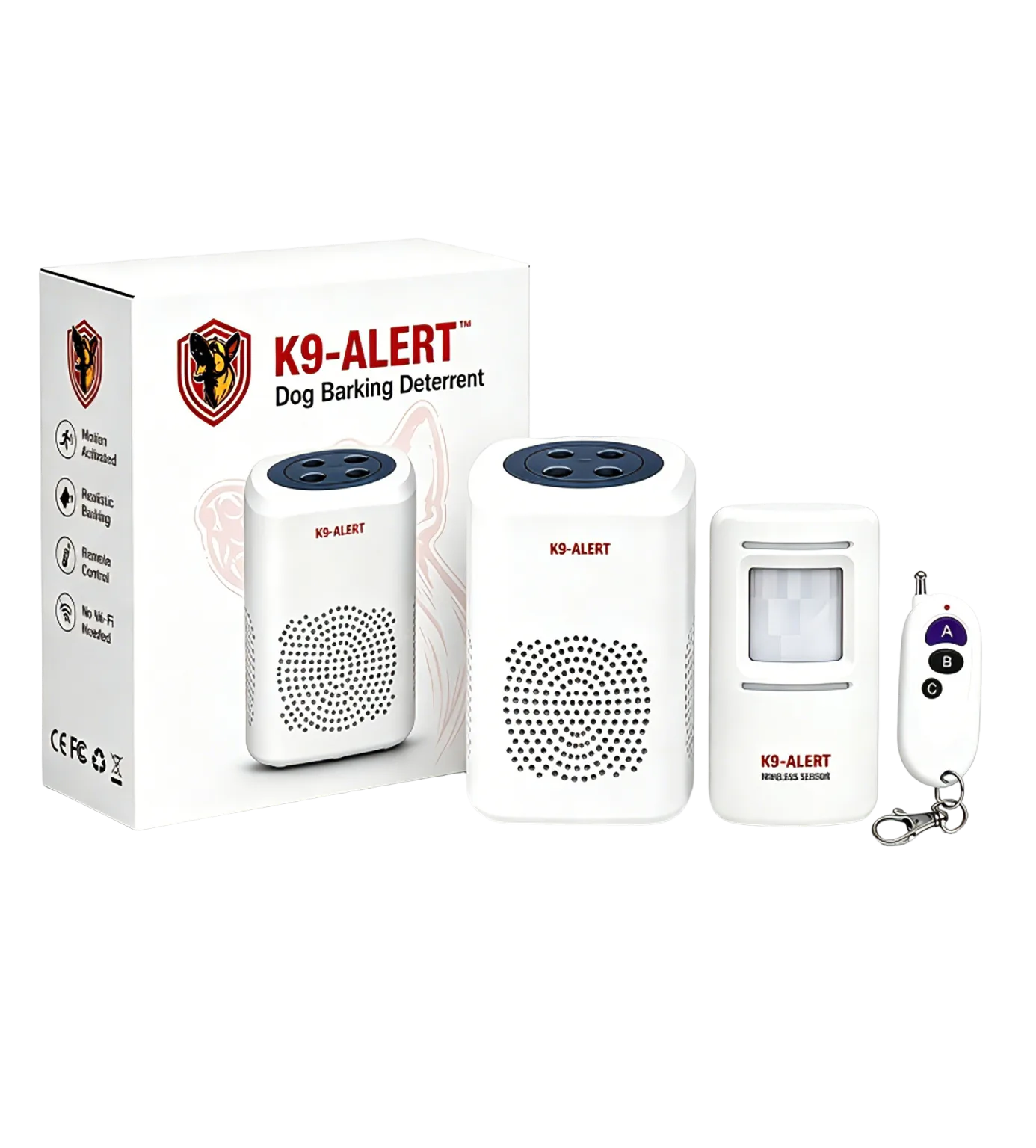
Make the home sound occupied before anyone reaches the door.
K9-Alert is a motion-triggered barking dog alarm for Australian homes, garages, sheds, rentals and side entries. It works without Wi-Fi, without an app and without a monthly fee, so you can cover the dark approach in minutes.
- One watched approach: sensor plus receiver for a front path, side gate, garage or covered window route.
- Remote control: arm, disarm or trigger from inside.
- No subscription: one-time device purchase with free AU shipping.
What should you read next?
For the data behind the seasons, see our news brief on when Australian break-ins actually peak. If you want the device-placement detail, read the barking dog alarm placement guide and the no-Wi-Fi home security layers. If you live alone or arrive home after dark, the home safety for women living alone guide covers the after-dark routine in more depth.
FAQ
Do break-ins increase in winter in Australia?
Not in the way many people assume. An analysis of Australian recorded burglary data by Budget Direct found summer is the peak burglary season, with February the busiest month and July the quietest. Winter does not raise the raw number, but it changes the risk window: it is dark before many people get home, so an empty house can sit unlit and unwatched through the late afternoon and early evening.
What time of day do most burglaries happen?
Budget Direct's analysis of Australian data found early morning, roughly midnight to 6am, was the most common window, accounting for around 40% of reported burglaries, with Friday and Saturday the most common days. In winter the after-work hours also matter because darkness arrives before many households return, leaving a visibly empty home during commute time.
What is the most important winter home security change?
Make an empty home look and sound occupied before dark. Put interior lights on timers so the house is not black at 5pm, keep the front and side approaches lit, and add an audible response at the path so movement is met with sound. A dark, silent house is the cue an opportunistic offender is looking for.
Where should I place a barking deterrent in winter?
Place the sensor where movement starts on the private approach: front path, porch, side gate, garage entry or a covered back path. The goal is for sound to trigger before someone reaches a door or window, so the home reads as occupied during the dark after-work gap, not just at night.
Does leaving lights on stop burglars?
Lighting helps but works best in layers. Australian Institute of Criminology research found surveyed active burglars most often named a dog and a working alarm as deterrents, and looked for low-activity, easy-access homes. Timed interior lights, motion lighting on the approach and an audible cue together signal an occupied, watched home far better than one porch light alone.
Sources
- Australian Bureau of Statistics, Crime Victimisation, 2024-25 financial year
- Budget Direct, Months with the most home burglaries in Australia
- Victoria Police, Prevent home burglaries
- Australian Institute of Criminology, Reports of burglary by DUMA detainees in Western Australia