
TL;DR: Empty homes are at higher risk during school holidays, and the signs of absence — dark windows, uncleared bins, no noise — are easy to read from the footpath. The most effective approach is layering: timer lights, a neighbour managing your mail, and a motion-activated barking dog alarm on your entry points. Each layer removes a visible signal of absence and adds a deterrent cue that pushes opportunistic burglars toward an easier target.
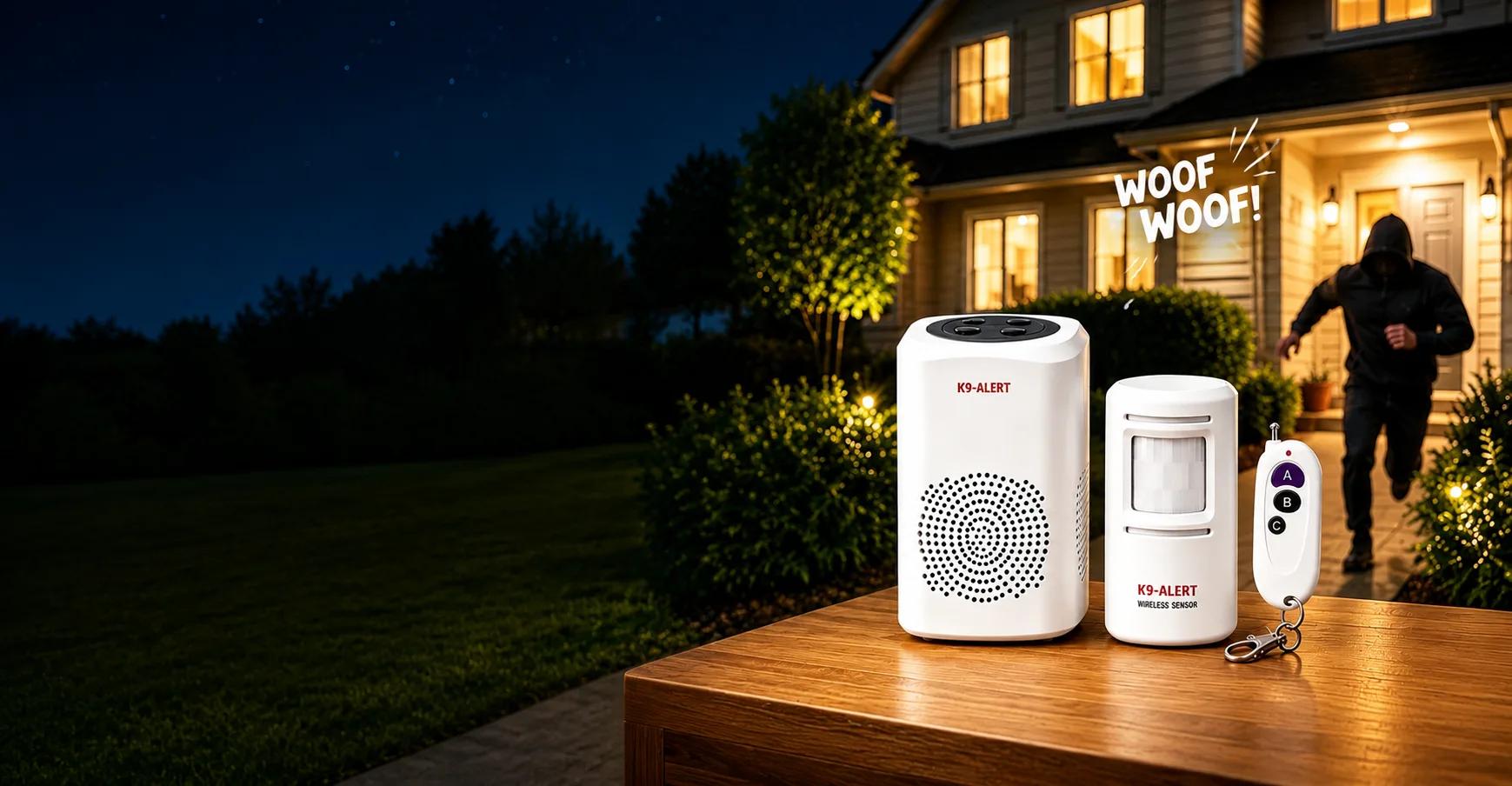
Why empty homes attract burglars during the holidays
School holiday break-in spikes are well documented across Australian states. Police in Victoria, NSW and Queensland have each issued warnings ahead of holiday periods, noting that residential burglaries increase as families travel. The reason is straightforward: an opportunistic burglar is not choosing a specific house — they are looking for the easiest one on the street, and a week-long absence makes yours a strong candidate. For the summer break specifically, follow the Christmas holiday home security checklist.
Plan for summer 2026 now. Christmas Day 2026 falls on a Friday and New Year’s Day 2027 on the following Friday, so many families will be away for the full fortnight between them. Summer school holidays in most states run from mid-to-late December into late January, and Budget Direct’s analysis of recorded burglary data found February was the busiest month of the year (Budget Direct), so keep the routine going after you return.
The signals are easy to read. An empty driveway throughout the day. Bins that never move. Post piling up. No lights in the evening. No sounds from inside. Each one of these is information, and together they paint a clear picture of an unoccupied property. Most entry decisions are made in under a minute, from the footpath or the street, before anyone approaches a door or window.
Making your home look and sound occupied
The first goal is to remove the visual and audible signals of absence. You do not need to make the house look like a party is happening — you just need to break the pattern that signals "no one home."
- Timer lights: Set at least two lamps on different timers in different rooms. A single lounge lamp on from 6pm is better than nothing, but a bedroom light and a kitchen light varying by 30 minutes each look far more natural.
- Ask a neighbour: Someone who can collect mail, move your bins on collection day, and occasionally park in your driveway removes several clear absence signals at once. This is the single highest-value action on this list.
- Social media silence: Do not post holiday photos until after you return. Burglars have been caught using social media to identify and time entries. Your neighbourhood Facebook group is not as private as it looks.
- Hold the post: Australia Post offers a mail hold service. Uncollected mail is one of the most visible signs of absence from the street.
- Mow before you go: An overgrown lawn signals that no one has been attending to the property. Mow the day before you leave.
Comparing your deterrent options
Visual absence cues address the invitation. Deterrent devices address the approach. Here is how the main options compare for a property that will be empty for multiple days:
Cheap and widely used
Very effective at breaking the dark-house pattern. Works best when varied across multiple rooms. Has no audible deterrent element — someone who approaches will not be discouraged beyond the visual.
Evidence, not prevention
Records what happens, which is valuable for police and insurance. Most cameras do not actively deter a determined person who knows the footage will only be reviewed later. Requires Wi-Fi and ongoing monitoring.
Audible deterrent at the entry point
Triggers a dog-bark sound when someone approaches a door, gate or garage. Works without Wi-Fi or an app. Effective against opportunistic entry because it adds the exact uncertainty — is there a dog? — that makes an intruder move on.
Loud after entry — not before
A siren activates when a sensor is triggered inside the property, which usually means the intruder is already in. Requires professional monitoring for real-time response. Higher cost and setup effort.
For holiday security, the barking dog alarm and timer lights are complementary: the lights address the visual signal, the alarm addresses the audible approach. The same empty-home logic also applies on ordinary weekdays; see our daytime burglary brief and our honest look at whether barking dog alarms actually work for more on the underlying deterrence research.
If the home will be empty for more than a normal holiday - overseas travel, FIFO swings, long business trips, vacant rentals or a holiday home between visits - use the narrower make a home look occupied while away guide to plan mail, bins, curtains, lights, sound and neighbour routines together. Touring with a van? The caravan security guide covers the campsite end of the trip.
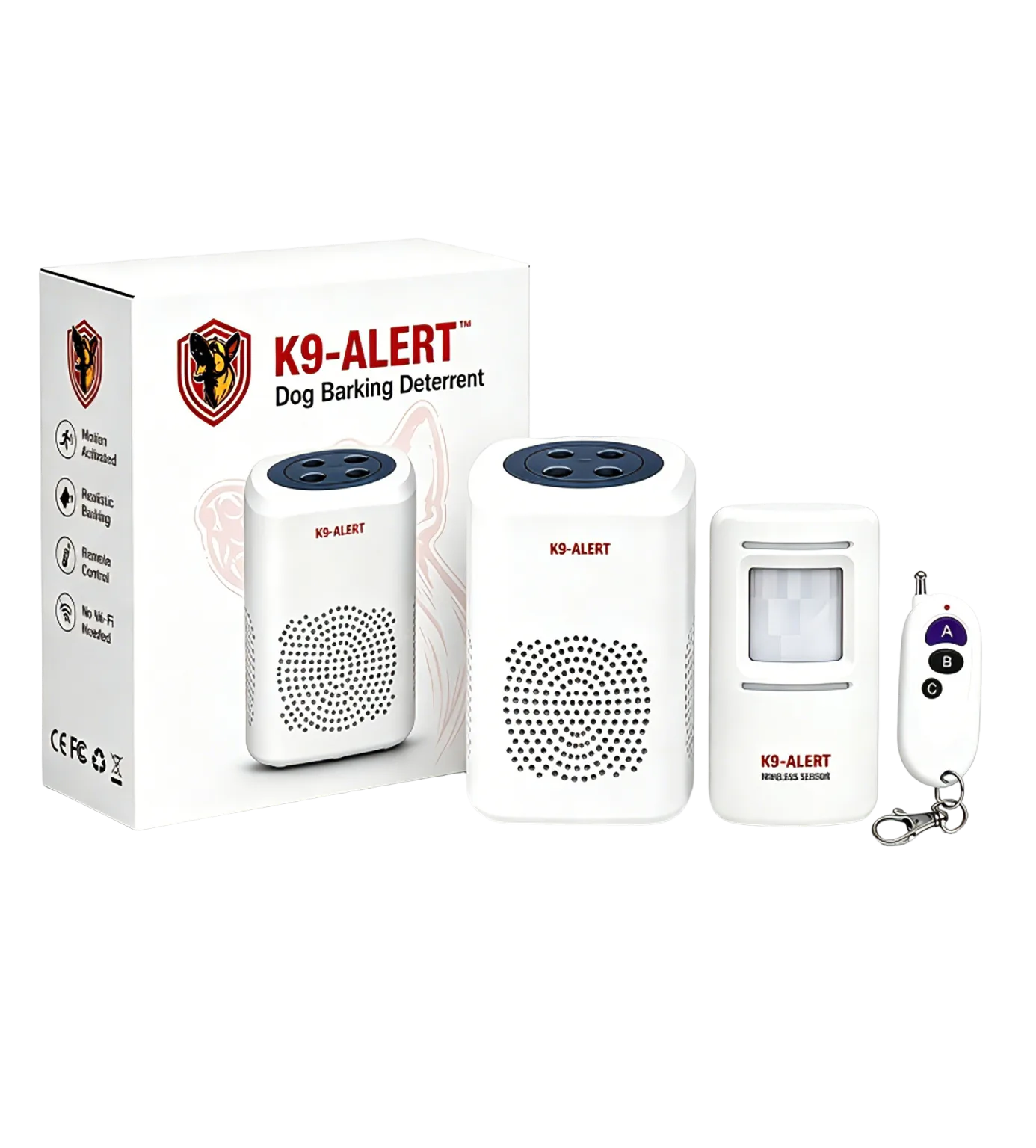
Arm it before you leave. It watches while you're away.
K9-Alert is a wireless barking dog alarm designed for Australian homes. No Wi-Fi, no app, no subscription. Arm it with the included remote before you lock up, and the motion sensor triggers a realistic dog-bark at your entry point whenever someone approaches.
- No ongoing management: runs on batteries, no internet connection, no monitoring fees.
- Covers the entry points that matter: front door, back door, garage, shed — one sensor per entry point.
- Expand as needed: add extra wireless sensors at $39.95 AUD each for multi-entry coverage.
Your pre-holiday security checklist
Run through this list in the 48 hours before you leave. It covers the actions with the most impact and can be done without any special tools or professional help:
- Arm the barking dog alarm on all ground-floor entry points. Front door, back door, and any garage or side gate a person could reach. The home security placement guide covers optimal sensor positioning.
- Set timer lights in at least two rooms. Vary the times slightly so they do not look like a programmed pattern from outside.
- Brief a neighbour or trusted contact. Give them a spare key, ask them to collect mail daily and move the bins on collection day.
- Put a hold on your mail. Lodge a hold request with Australia Post or ask your neighbour to collect it every day without exception.
- Check all locks, windows and sliding doors. A standard deadbolt on the front door does not help if the kitchen window lock is loose. Walk the perimeter before you leave.
- Avoid social media announcements until you return. Post the holiday photos after the trip, not before or during.
- Mow, tidy and clear visible valuables. Remove anything from view that signals absence or makes your property look like an easy score — tools near the garage, ladders visible from the street.
- Tell your insurer if you will be away for more than a specified period. Many home and contents policies have clauses about extended absence. A brief call before you leave protects your cover.
Heading away these school holidays?
K9-Alert is the barking dog alarm that watches your entry points while you are away — no Wi-Fi, no app, no subscription. Arm it before you lock up and it does the rest.
Frequently Asked Questions
Do burglaries increase during school holidays in Australia?
Yes. Australian state police data consistently shows a spike in residential break-ins during school holiday periods, particularly in the first week. Opportunistic burglars look for properties that appear unoccupied, and school holidays create a predictable window when many homes sit empty for days or weeks at a time.
What is the best way to make your home look occupied while away?
A combination of timer-controlled lights, a trusted neighbour collecting your mail and bins, and a motion-activated barking dog alarm is the most effective low-cost approach. The lights break the dark-house pattern; the neighbour removes the physical signs of absence; the alarm creates an audible deterrent cue if anyone approaches an entry point while you are away.
Is a barking dog alarm useful if I'm not home to arm it?
Yes. The K9-Alert can be armed before you leave using the included remote and left in a fixed armed position for the duration of your trip. The wireless motion sensor watches the entry point and triggers the bark sound automatically, with no app, Wi-Fi or ongoing management required.
Should I tell my neighbours I'm going on holiday?
Yes, and be selective about who else you tell. A trusted neighbour who can collect mail, move bins and vary the look of the property is one of the most effective deterrents available. However, avoid broadcasting holiday plans publicly on social media until after you return, as that information can reach the wrong audience.
See the barking dog alarm in action
Product claims are easier to judge when you can hear the device. This short demo shows the K9-Alert barking dog alarm detecting movement and playing realistic barking, so you can assess the sound before deciding where it fits in your home, garage, shed or rental.