
TL;DR: Do not open the door or go outside. Move away from glass, turn on lights from inside, call 000 if the person is still there, and document any damage before cleaning. ABS 2024-25 data says 217,500 Australian households experienced attempted break-in, so treat the attempt as a warning sign, not a story to ignore.
Author: Daniel Tang · Published: · Updated: · Reviewed by: K9-Alert source review · Reviewed sources: ABS Crime Victimisation, Victoria Police burglary guidance, Australian Institute of Criminology burglary research and Victoria Police Tarneit update.
This guide is prevention education for Australian households. It is not emergency, legal or insurance advice. If a person is trying to enter now, call Triple Zero (000).
What should you do first, tonight and tomorrow?
ABS 2024-25 data recorded 217,500 Australian households experiencing attempted break-in, so a tested door or window deserves a staged response. Use this order: safety first, overnight reset second, evidence next morning, then a visible deterrent change before the next night.
| When | Do this | Do not do this |
|---|---|---|
| Right now | Stay inside, move away from glass, turn on lights and call 000 if the person may still be there. | Do not open the door, step outside or walk down the side path to check. |
| Tonight | Lock the tested entry, internal garage door, side gate and nearest windows; move keys and bags out of sight. | Do not leave the same quiet route available for a second attempt. |
| Tomorrow morning | Photograph door frames, locks, screens, gates and nearby windows before cleaning or repairing anything. | Do not wipe away marks or move damaged parts before you document them. |
| Before the next night | Add a visible change: stronger lock repair, motion lighting, locked side access or an audible approach deterrent. | Do not rely only on hoping the person will not come back. |
What should you do in the first 60 seconds?
Attempted entry is common enough to take seriously: ABS 2024-25 data estimates 217,500 Australian households experienced attempted break-in, and 30% of the most recent attempted break-ins involved someone being seen or heard trying to get in.
Your first job is not to identify the person. It is to keep distance between you and the entry point. Move away from the door, window or glass panel. Keep the door locked. Do not step onto the porch, into the garage, or down the side path.
- Stay inside. Do not open the door to "check".
- Move away from glass. A sidelight, front window or laundry glass panel can break.
- Turn on lights from inside. Use hallway, porch or sensor lights if you can do this safely.
- Make yourself hard to reach. Move to a room with a locked internal door if you feel exposed.
- Call for help. Use 000 if the person is still there or you feel in immediate danger.
Should you call 000 or a police assistance line?
Victoria Police says to call Triple Zero (000) when the incident is happening now, the suspect is still on scene, someone is injured, or anyone is in immediate danger. If the person has left and there is no urgent danger, use the non-emergency reporting path for your state or territory.
Use this simple split. If the handle just moved, you can see someone, hear repeated attempts, or believe they are still on the property, call 000. If you discovered tool marks in the morning or saw footage after the person left, report the incident through your police assistance line or online reporting service.
| Situation | Better response | Why it matters |
|---|---|---|
| Someone is still at the door, window or side gate | Call 000 | It is happening now and may escalate. |
| You heard one attempt, then silence, but feel unsafe | Stay inside and call for advice | Do not go outside to prove they left. |
| You find tool marks the next morning | Photograph and report non-urgently | Evidence may help connect repeated attempts. |
| A camera caught a person testing doors | Save footage and report | Time, clothing and direction of travel can help. |
How can you check the house without opening the door?
AIC research found active burglars often look for low-activity homes and easy access, while 61.4% named a dog as a deterrent and 49.1% named working alarm systems. Your safest check is to create activity from inside, not to walk into the approach path.
Start with what you can control from a safe position. Turn on internal lights. Switch on exterior lights. Use a doorbell camera or window from a protected angle if you already have one. Call a neighbour only if they can look from their own safe place; do not ask them to confront anyone.
If you already have an audible deterrent, trigger it from inside. Sound gives you a way to make the home seem occupied without opening the door. That matters because opportunistic entry often depends on the property feeling quiet, empty and easy.
What should you do before going back to sleep?
Victoria Police prevention advice is built around four ideas: secure the property, secure valuables, make it look like someone is home, and make it harder for thieves to get in without being seen. Tonight, focus on those four ideas in the fastest order.
Do a safe indoor-only reset first. Lock the door that was tested. Lock the internal garage door. Move keys, wallets and handbags away from the front door and kitchen bench. Close blinds where valuables are visible. Leave one internal light on where it looks normal from outside.
Then add an approach response. If you have motion lighting, arm it. If you have a barking deterrent, put the sensor where the person would have to pass before touching the door or window again. Do not aim it at a public footpath; cover the private approach.
Distance and contact
Stay inside, avoid glass, call emergency help if danger is immediate, and message a trusted person so you are not handling the situation alone.
Lock the weak route
Check the tested door, internal garage door, side gate and nearest window from inside. If a lock is damaged, move to a safer room.
Make the home respond
Use light, sound and visible occupancy cues so the entry point no longer feels quiet if the person comes back later.
What should you check the morning after?
ABS says the most common evidence in attempted break-in incidents was a damaged or tampered door or window, reported in 40% of the most recent attempted break-ins. Check before cleaning, because small marks can disappear once you tidy up.
Walk the outside only when it is safe. Photograph the front door frame, strike plate, deadbolt, screen door, side gate latch, garage entry, bathroom window, laundry window and back door. Look for scratch marks, bent screens, disturbed flywire, loose screws or shoe prints in garden beds.
Then decide what needs repair today. A loose strike plate or damaged frame is not a cosmetic issue after an attempt. It tells you where pressure was applied. If the person tried a window, add a lock or pin. If the person used a side route, lock the gate and add light or sound before the next night.
How do you stop a second attempt?
The same AIC research found opportunistic burglars valued low activity, easy access and visible rewards. It also reported that backyards, open gates and open windows can hide an offender from neighbours once they are off the street.
Your goal is to change what the property says from the outside. The person should see a different house if they come back: locked side access, less visible valuables, stronger light, no keys near the entry, and a response before they reach the handle.
- Front door: check the strike plate, deadbolt and screen lock; add a door sensor or barking trigger before the porch.
- Side gate: lock it every night and stop it from being a quiet shortcut to windows.
- Garage: lock the internal access door and keep remotes out of parked cars.
- Bathroom or laundry window: add a window lock, check screen screws and avoid leaving it open overnight.
- Keys and bags: move them out of sight and away from doors, windows and garage entries.
The Tarneit bathroom-window burglary brief shows why this matters: Victoria Police reported a backyard approach and entry through a bathroom window. Small, private-side entries deserve the same attention as the front door.
Where does K9-Alert fit in this plan?
AIC research found a dog was the most common deterrent nominated by surveyed active burglars, and the report notes the dog did not need to be large or dangerous; barking mattered because it drew attention. K9-Alert applies that same occupied-home cue at the approach.
Place the wireless sensor where movement starts: front path, porch approach, side gate, garage entry, back path or covered window approach. When motion is detected, the receiver inside plays realistic barking. The person hears a dog before they test the lock again.
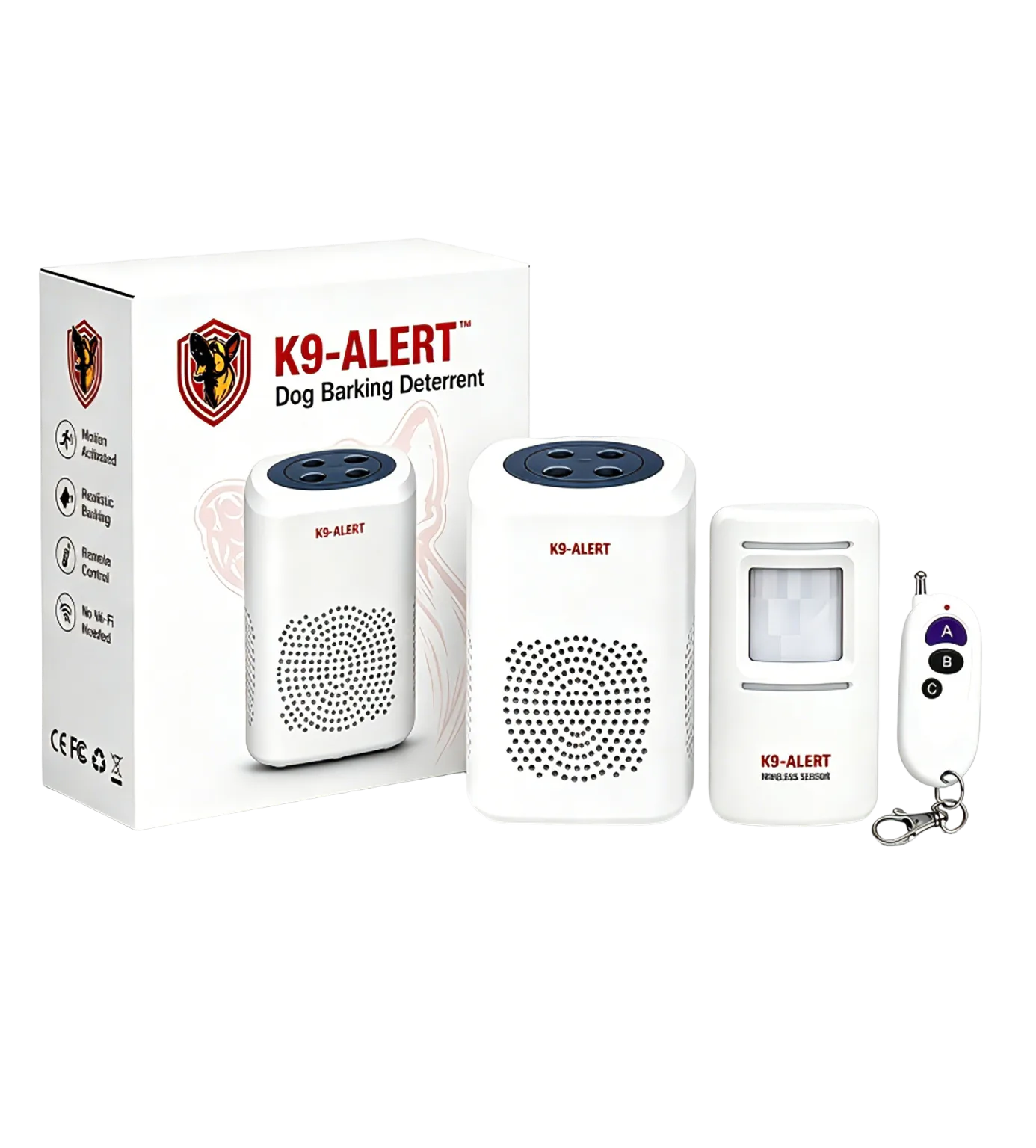
Make the entry sound occupied before someone tests it.
K9-Alert is a motion-triggered barking deterrent for Australian homes, garages, sheds, rentals and side entries. It works without Wi-Fi, without an app and without a monthly fee, so it can be placed quickly after an attempted entry.
- One watched entry point: sensor plus receiver for a door, side path, garage or covered window approach.
- Remote control: arm, disarm or trigger from inside.
- No subscription: one-time device purchase with free AU shipping.
What should you read next?
If the incident became an actual break-in, use the 7-step break-in response guide. If you are worried the person may come back, read the repeat burglary safety guide. If this happened at night and you did not see anyone, use the noise outside at night guide.
For setup decisions, compare the no-Wi-Fi home security layers and the barking dog alarm placement guide. The best setup is not the most complicated one. It is the one that changes the entry point before the next attempt.
FAQ
Should I open the door if someone just tried the handle?
No. Stay inside, keep the door locked, move away from glass and call for help if you believe a person is still there. Opening the door turns an attempted entry into a possible confrontation. Speak through a locked door only if you can do that from a safe position.
Should I call 000 if someone tried to open my door?
Call 000 if the person is still on the property, is trying to get in, anyone is hurt, or you feel in immediate danger. If the person has left and there is no urgent danger, contact your local police assistance line or report the incident online where available.
What should I check the morning after an attempted break-in?
Check the door frame, strike plate, locks, screens, side gate, garage entry, bathroom window, laundry window and any camera footage before cleaning or moving items. Photograph damage first. If there are tool marks, broken locks or missing property, report it and arrange urgent repairs.
How do I stop someone trying the door again?
Make the entry feel occupied and difficult before the handle is reached. Use motion lighting, locked side access, moved keys, visible routine changes and an audible deterrent at the approach point. A quick visible change matters because many attempted entries are opportunistic tests.
Where should I place a barking deterrent after a door attempt?
Place the sensor where movement starts, not on the door itself: front path, porch approach, side gate, garage entry, back path or covered window approach. The goal is to trigger sound before someone tests the lock, so the property sounds occupied early.
Sources
- Australian Bureau of Statistics, Crime Victimisation, 2024-25 financial year
- Victoria Police, Prevent home burglaries
- Australian Institute of Criminology, Reports of burglary by DUMA detainees in Western Australia
- Victoria Police, Three teens arrested following Tarneit aggravated burglary
See the barking dog alarm in action
Product claims are easier to judge when you can hear the device. This short demo shows the K9-Alert barking dog alarm detecting movement and playing realistic barking, so you can assess the sound before deciding where it fits in your home, garage, shed or rental.