
TL;DR: Rekey or replace the external locks the day you get the keys - you cannot know how many copies exist from the previous owner, agent or tradespeople. Reset every garage code, alarm PIN and keypad, ask who else has a key, and cover the entry points with a fast, no-installation deterrent before your permanent alarm system is booked in.

Why a new home is a genuine security gap
Australian households reported 196,600 break-ins and a further 217,500 attempted break-ins in 2024-25 (ABS, Crime Victimisation 2024-25). Most people picture that risk building slowly over years in a settled home. In reality, some of the highest-risk moments happen in the first few weeks after you move in, before you have learned the property, met the neighbours, or worked out which locks actually hold.
A new address means unfamiliar entry points, keys and codes you inherited rather than chose, and a period where removalists, tradespeople and delivery drivers all know your address before you have finished unpacking. None of that is dangerous on its own, but stacked together it is exactly the kind of short-lived, low-attention window that opportunistic entry attempts rely on.
The locks and keys you don't actually control
The single most overlooked step after settlement or a new lease is also the simplest: you do not know how many keys exist for your own front door. Previous owners, past tenants, real estate agents, cleaners, pet sitters and tradespeople may all have had a copy cut at some point, and there is no register that tracks where they ended up.
- External door locks - rekey the existing cylinder or replace the lock outright. Rekeying is usually the cheaper option if the hardware itself is in good condition.
- Garage remotes and keypads - reprogram or reset the code. A garage is frequently the softest entry point into the rest of the house.
- Alarm system codes - if the property already has a monitored system, ask the installer or monitoring company to reset the master code and remove old users before you rely on it.
- Shared gates, sheds and storage cages - in townhouses, units or acreage blocks, check whether outbuildings use a separate lock that was never mentioned in the handover.
Ask the agent or previous owner directly, in writing, how many keys were issued and to whom. It will not get you a complete answer, but it puts the responsibility on record and often jogs a memory about a tradesperson who still has one.
New-home security options compared
Once the locks are sorted, the next decision is what kind of protection to add - and how quickly you actually need it in place. These are the realistic options for a household that has just moved.
Rekeyed locks only
Solves the "who has a key" problem but does nothing about a window, side gate or garage that gets forced rather than unlocked.
Monitored alarm system
Strong ongoing coverage, but installation needs to be booked, wired and tested - rarely ready in your first week, and usually comes with a contract.
Smart lock and camera
Useful for remote access and footage, but depends on your NBN connection being active - often the last thing switched on after a move.
No-Wi-Fi barking deterrent
Battery-powered and arms in minutes with no installer, no NBN and no contract - the one option ready before your first night in the house.
Most new homeowners end up layering two or three of these over time. The point is not to pick one forever - it is to have something in place on day one rather than leaving the property uncovered while the "proper" system gets scheduled.
Covering the gap before your alarm system is installed
If you are booking a monitored system, an electrician or a smart-lock installation, expect a wait of days to a few weeks depending on trade availability in your area. That gap is exactly when a fast, no-installation deterrent earns its place.
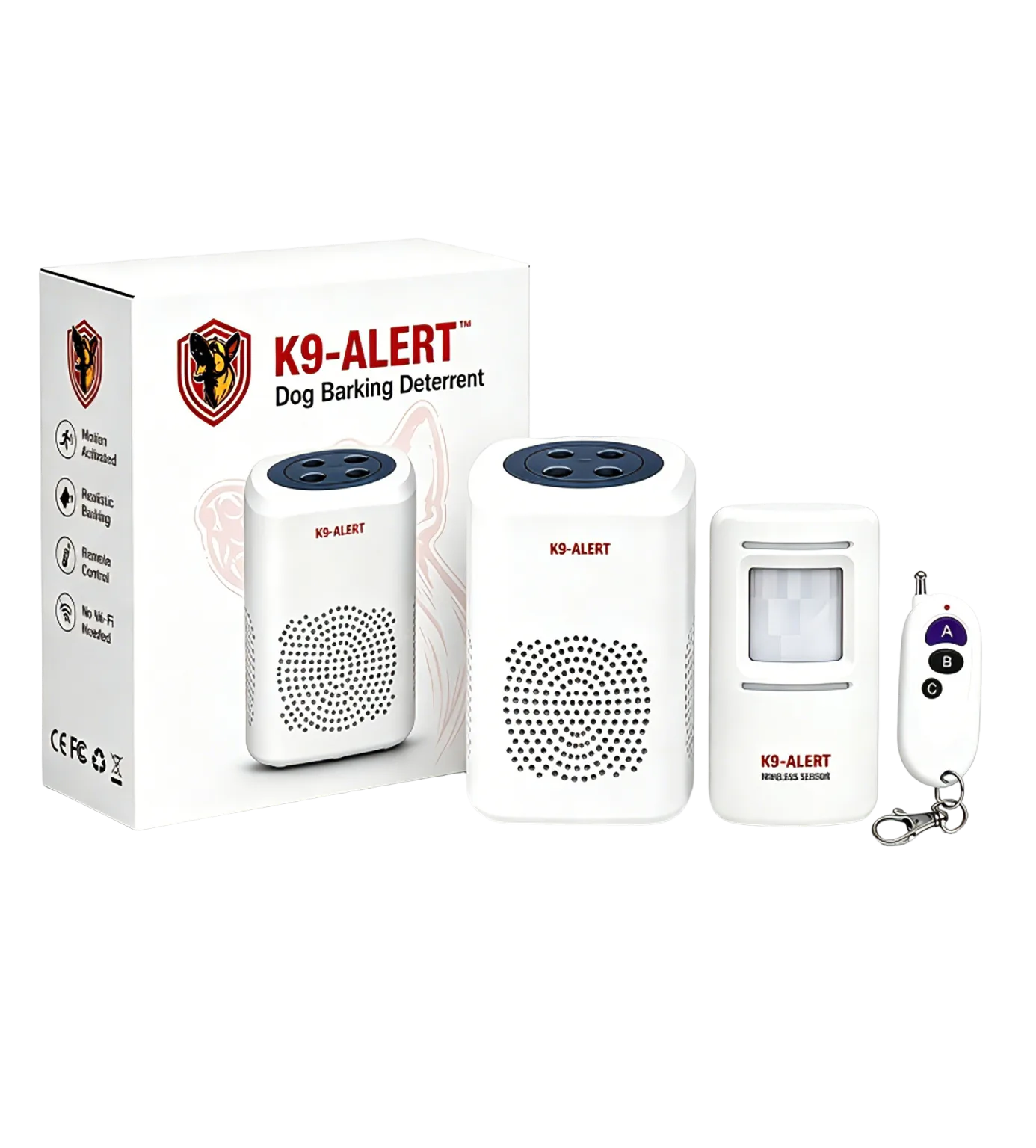
Protect the entry points while everything else is still being organised.
K9-Alert is a motion-triggered barking dog alarm you can set up the same afternoon you get the keys - no Wi-Fi, no electrician and no monthly fee. Cover the front door, garage or side gate while your permanent system is still on order.
- No installation: plug in the receiver and place the wireless sensor - done in minutes.
- Arm and disarm by remote: useful while removalists, tradespeople and visitors are still in and out.
- Portable: move it with you if you are renting, and reposition it once you know the property properly.
If you are moving into a rental rather than buying, our guide to home security for renters with no drilling or Wi-Fi covers the devices you can use without needing landlord approval for permanent fixtures. And if the property comes with a garage or shed you have not secured before, the garage security checklist is worth working through in the same week.
Your move-in week security checklist
Work through this list in order during the first few days after you get the keys.
Do this within the first week
- Rekey or replace every external door lock, including any side or back entry that is easy to forget.
- Reset garage remotes and keypad codes so old codes stop working immediately.
- Ask the agent or previous owner in writing how many keys were issued and to whom.
- Reset or transfer any existing alarm system and remove old users from the account.
- Walk every window and door to check the latches and strike plates actually engage properly - a new house does not mean new hardware.
- Break down moving boxes before bin day rather than leaving them visible at the kerb, which advertises new, unpacked purchases.
- Introduce yourself to a neighbour so someone recognises your car, your movers and your visitors in the first fortnight.
- Set up a no-installation deterrent at the main entry point to cover the gap until your longer-term security plan is fully installed.
Cover the first night before the rest of the plan is ready.
K9-Alert sets up in minutes with no Wi-Fi, no wiring and no subscription - ready the same day you get the keys.
Order K9-Alert · $99.95Frequently asked questions
Do I need to change all the locks when I move into a new house?
Rekeying or replacing the external door locks is one of the few genuinely non-negotiable steps. You have no way of knowing how many keys the previous owner, agent, tradespeople or old tenants had cut over the years, so a fresh lock or cylinder is the only way to know exactly who can get in.
Should I rekey a rental property too, or is that the landlord's job?
In most Australian states you need the landlord's written permission before changing locks on a rental, and you are usually expected to hand over a copy of any new key. Ask in writing as soon as you sign the lease, and in the meantime treat portable, no-drill devices as your first line of protection since they move with you and need no landlord approval.
What is the biggest security gap during moving week specifically?
The days either side of the move itself. Removalists, tradespeople and sometimes strangers helping you carry boxes all know exactly when the house is full of new, unwrapped belongings and when it is likely to sit empty during the unpack. That short window is higher risk than almost any other point in the year you live there.
Is a barking dog alarm useful before I install a full security system?
Yes. A motion-triggered barking dog alarm sets up in minutes with no wiring, Wi-Fi or professional installation, which makes it a practical way to cover entry points immediately after you get the keys - long before an electrician, alarm installer or NBN connection can be booked in.