
TL;DR: Start with friction and occupancy signals: secure the locks you already have, cover ground-floor windows, light the approach, add an audible deterrent at the entry and use simple routines that make the home look occupied.
Why cheap layers beat one expensive thing
The point of everyday home security is not to make a house impossible to enter. It is to make the property look harder, noisier and less predictable than the easy target nearby. That is why a stack of cheap layers can do useful work before anyone reaches the door.
A monitored system can make sense for high-risk or frequently empty homes. But if the budget is tight, the first dollars should go to the things that change the approach: locked access points, better visibility, sound and occupancy cues.
The under-$200 plan, in priority order
1. Re-key or change locks after moving in: $50-$100
If you have just moved into a home, you do not know how many key copies exist. Previous owners, agents, cleaners or tradespeople may still have keys. Re-keying or replacing entry locks removes that unknown. Renters should ask the property manager before changing locks.
2. Add window locks to accessible windows: $40-$120
Ground-floor windows and easy side windows are common weak points. Keyed window locks are inexpensive and add physical friction. If you cannot cover every window at once, start with the windows hidden from the street or near a side path.
3. Put solar motion lights on dark approaches: $40-$80
A dark side gate, back door or porch makes the approach comfortable. Solar motion lights are cheap, do not need an electrician and suit renters because they can often be mounted without permanent wiring.
4. Add a motion-triggered audible deterrent: from $99.95
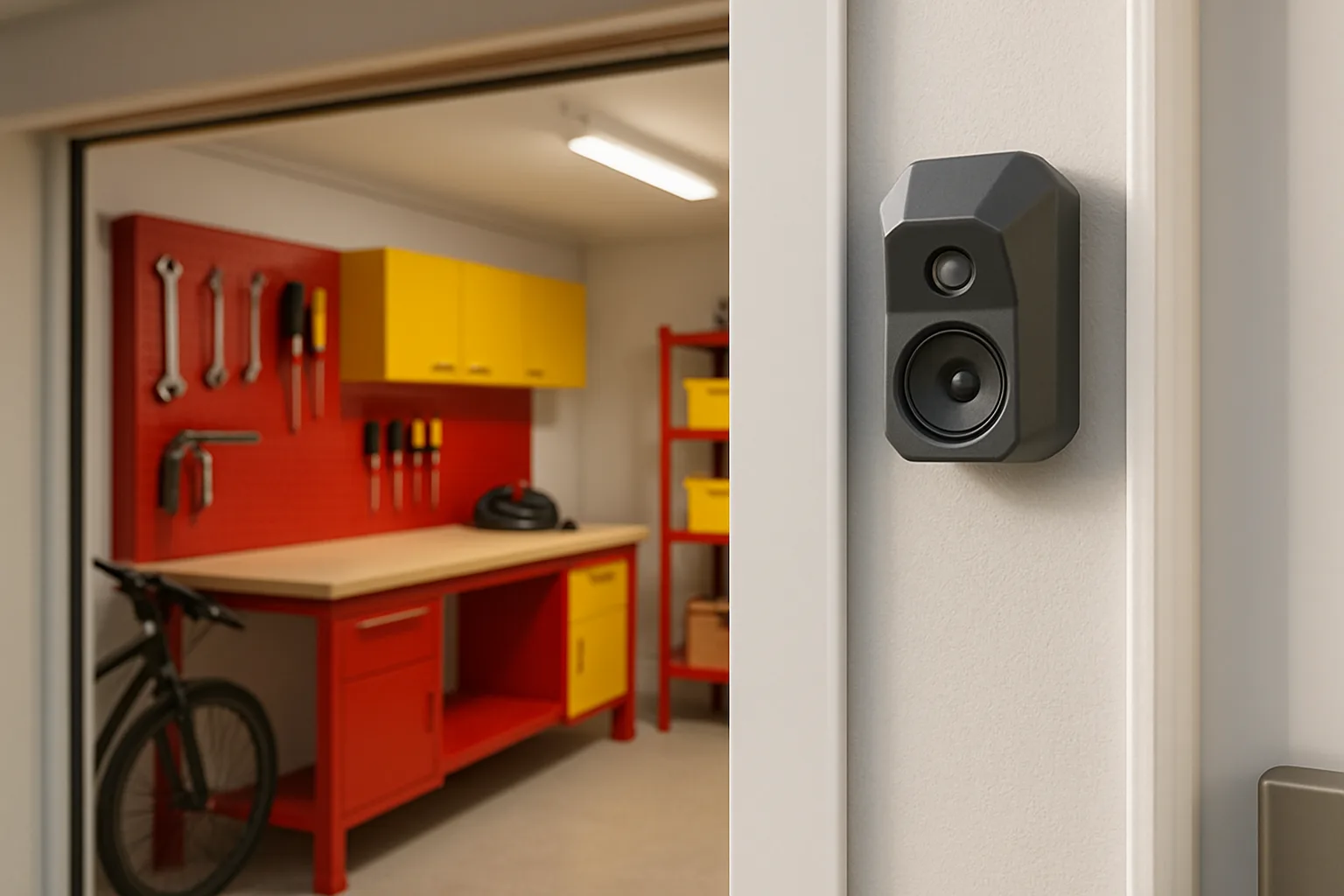
Locks and lights are passive. An audible deterrent responds when someone reaches the protected area. K9-Alert plays realistic barking when motion is detected, works without Wi-Fi, needs no app or subscription and can move between a front door, garage, shed or rental entry.
For placement, see our barking dog alarm Australia guide and our practical answer to do barking dog alarms work.
5. Add occupancy cues: free to $20
Victoria Police burglary prevention advice includes making the property look occupied, including leaving out a dog bowl or lead even if you do not have a dog. A low-cost timer, prompt mail collection and a lived-in entry can all support the same signal.
The reason this layer matters is not only holiday absence. Australian burglary research also points to weekday daytime risk while homes are empty; see our daytime burglary brief for the data behind the occupancy cue.
What about cameras and smart doorbells?
Cameras can be useful, but they are not always the right first purchase on a tight budget. A camera records or notifies. It only deters if it is visible, working and paired with a response. Many also depend on Wi-Fi and cloud storage subscriptions.
If deterrence is the priority, spend first on layers that act at the approach: light, sound and physical friction. Our no-Wi-Fi home security guide explains why offline layers are often the better starting point.
When a monitored system is worth it
Professional monitoring may be the right call if the property is often empty, if you store high-value items, if your insurer requires a documented system or if you are dealing with repeated targeted incidents. This guide is for the more common situation: an occupied home or rental where the first goal is practical deterrence at a fair cost.
Renters can use most of this
Renters are often told home security is difficult because they cannot drill or hardwire. Most of this plan avoids that problem. Solar lights, portable audible deterrents and occupancy cues can move with you. Window locks and re-keying need permission, but they are conversations with a property manager, not renovations.
For a lease-friendly setup, read best alarm for renters Australia.
Do not forget the garage and shed
The plan above starts with the house, but garages and sheds often store the things thieves want: tools, bikes, batteries, keys and remotes. Treat the door between an attached garage and the home like an external door. For detached sheds, add light and sound where Wi-Fi or wiring is weakest.
See garage security alarm without Wi-Fi, shed alarm Australia and our guide to car key theft versus relay hacking for placement specifics.
Want the responsive layer?
K9-Alert is the no-Wi-Fi barking deterrent in this budget plan: one-time purchase, no app and no monthly monitoring.
Order K9-AlertFAQ
Can you really secure a home for under $200 in Australia?
Yes, for many occupied homes and rentals. A layered DIY setup of window locks, solar motion lights, a motion-triggered deterrent and occupancy cues can be assembled for roughly $160-$200 and focuses on the opportunistic approach before entry.
What is the single most effective cheap security upgrade?
If you have just moved in, re-keying the locks comes first because it removes unknown key copies. If your locks are sound, the highest-impact additions are lighting a dark approach and adding an audible deterrent at the entry.
Do I need Wi-Fi or a subscription for budget home security?
No. Locks, solar lights, a battery-powered audible deterrent and occupancy cues can all work offline with no monthly fee. Wi-Fi cameras and monitored systems are optional upgrades, not the foundation.
Is a barking dog alarm worth it compared with a camera?
For deterrence at the approach, a motion-triggered barking alarm actively responds when movement starts. A camera can be useful evidence, but it usually records or notifies after the approach has already happened.
Will this lower my home insurance?
Maybe, but do not assume it. Some insurers recognise documented security measures, while larger discounts usually apply to monitored or professionally installed systems. Check your own policy before relying on any premium saving.
What can renters use without breaking a lease?
Renters can usually use portable motion deterrents, solar lights, occupancy cues and removable window locks with permission where needed. Re-keying should go through the property manager.
Sources
- Australian Bureau of Statistics, Crime Victimisation 2024-25
- Victoria Police, Prevent home burglaries
See the barking dog alarm in action
Product claims are easier to judge when you can hear the device. This short demo shows the K9-Alert barking dog alarm detecting movement and playing realistic barking, so you can assess the sound before deciding where it fits in your home, garage, shed or rental.