
Quick answer: Small business break-ins concentrate in the after-hours window, and thieves target the entry points staff never see — rear doors, roller shutters, laneways and storerooms. A locked door alone does not stop someone testing it; you need a layer that reacts while they are still outside, such as lighting, a motion-triggered barking deterrent and hardened locks, backed by CCTV for evidence if something does happen.
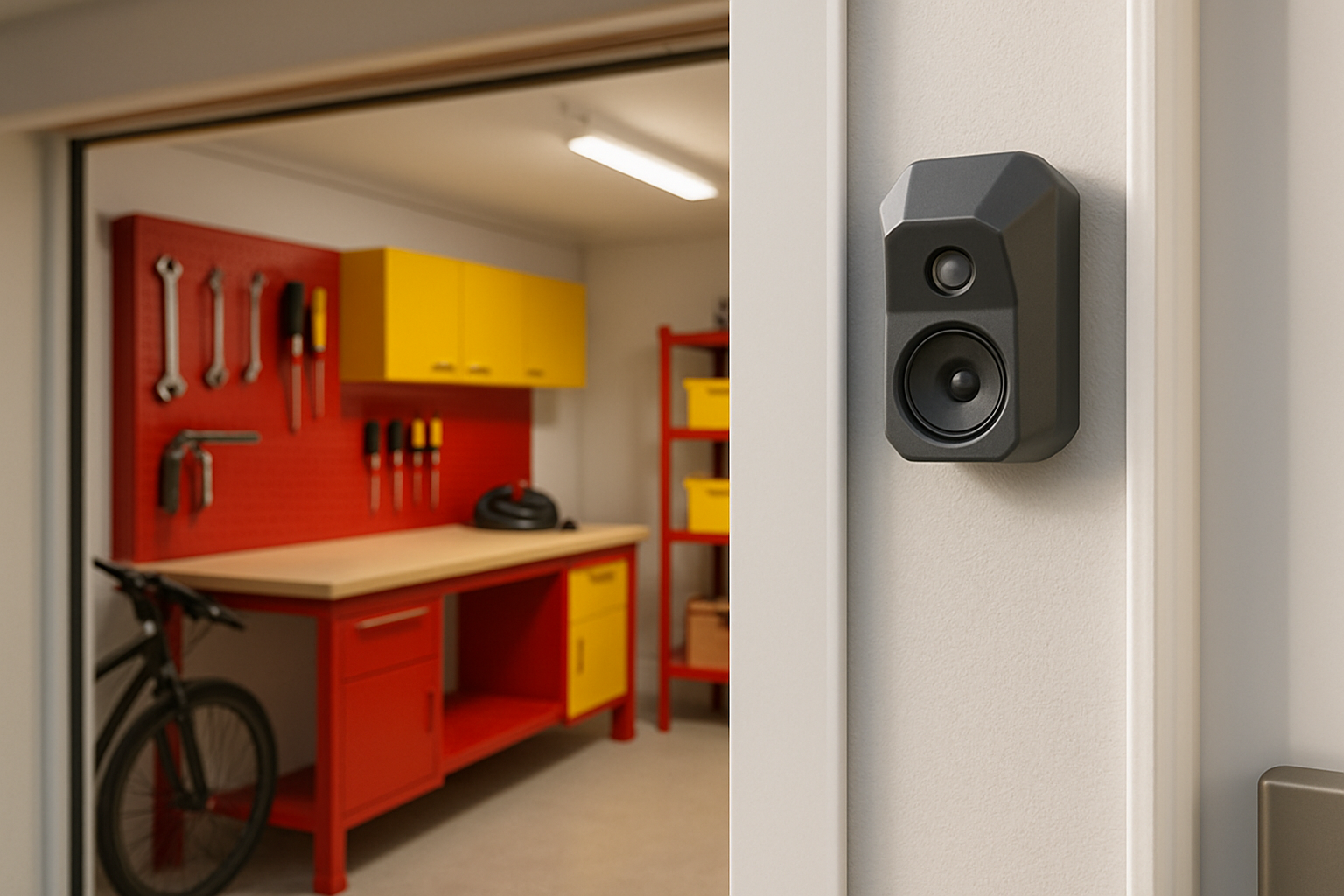
Why after-hours is the highest-risk window
A shop with the lights on, a staff member behind the counter and customers walking past is a hard target. The same shop at 11pm, unlit, with an empty car park out front, is a different story entirely. Once the doors are locked and everyone has gone home, there is no one to notice a rear door being tested, a roller shutter being forced, or a window being checked for weaknesses.
Winter makes this worse. Shorter daylight hours mean many strips and industrial areas sit dark well before most staff finish closing tasks, and stay dark until well after the next shift arrives. That extends the exact window — dark, unattended, unobserved — that opportunistic thieves rely on. Retail-specific police operations, like Operation Pulse's response to after-hours retail theft, exist precisely because shopping strips see a different risk profile once the shutters come down.
Where thieves target first
Front windows and glass doors face the street, so they are the most visible and the most likely to be seen by a passer-by or a neighbouring business's camera. That makes them a poor choice for anyone trying to avoid attention. The points that actually get tested first are the ones nobody walking past can see:
- Rear laneway doors — out of street view, often with a weaker lock than the front entrance.
- Roller shutters and loading doors — built for bulk access, not always fitted with a second locking layer.
- Storerooms and stockrooms — where the highest-value, most portable stock is kept, sometimes behind an internal door that gets less attention than the shopfront.
- Fire exits — required to open from inside, which makes the external side a common weak point if the hardware is dated.
If your security plan stops at the front door, it is protecting the part of the building least likely to be targeted.
Layered security options for shops and storerooms
No single device covers every risk. The options below do different jobs, and most small businesses end up combining two or three rather than relying on one.
Response and evidence
Best for premises that want a guaranteed call-out and recorded footage. Usually needs professional install, Wi-Fi or NBN, and an ongoing monitoring contract.
Stops someone before they test the door
Reacts to movement at the rear door, laneway or storeroom with a realistic bark cue — no Wi-Fi, app or monthly fee. Does not record evidence or notify anyone.
Deadlocks, shutter bars, security screens
Slows down or stops forced entry once someone commits to trying. Does not discourage someone from testing the door in the first place.
Makes the premises look watched
Dusk-to-dawn or motion-triggered lighting removes the cover of darkness. Passive on its own, but a strong companion to any active deterrent.
Building the after-hours layer that works
The most effective setup covers the entry points nobody sees, not just the ones facing the street. That means the rear door, the roller shutter approach and the storeroom access — the places a thief expects to work unnoticed.
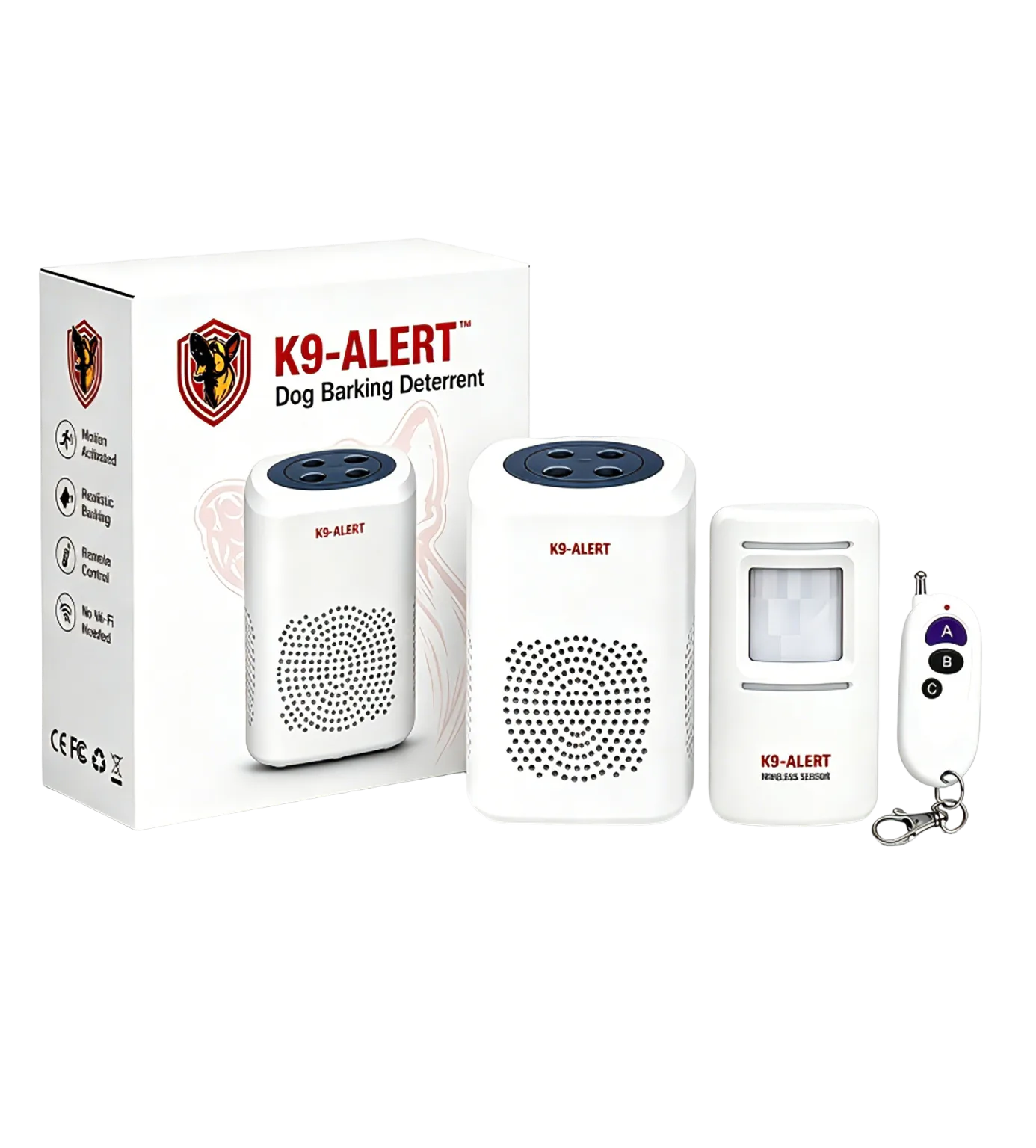
Cover the entry points staff can't watch
K9-Alert is a motion-triggered barking dog alarm you can position at the rear door, laneway approach or storeroom entry — no Wi-Fi, no app and no subscription to maintain across multiple sites.
- Arm it on close, disarm it on open: a remote lets whoever locks up control it in seconds.
- No IT overhead: nothing to connect to shop Wi-Fi or a POS network.
- Portable between sites: useful if you run more than one shop, storage unit or seasonal stall.
For a wider look at how the bark cue works as a deterrent and where its limits are, see our guide on whether barking dog alarms actually work. If your business runs out of a standalone shed, warehouse or storage unit rather than a shopfront, the placement principles in our shed and outbuilding security guide apply just as well to a commercial store.
Lock-up checklist: before you leave
- Walk the perimeter, not just the front. Check the rear door, roller shutter and fire exit are fully secured, not just closed.
- Confirm exterior lighting is set to dusk-to-dawn or motion timers. A dark rear laneway is the easiest place to work unseen.
- Arm a motion-triggered deterrent covering the rear approach and storeroom. This is the layer that reacts while someone is still outside.
- Leave the till drawer open and visibly empty. An empty, visible drawer gives a would-be thief nothing to force, and reduces damage if a break-in is still attempted.
- Check storeroom and stockroom doors are locked separately from the shopfront, so a single point of failure doesn't expose the highest-value stock.
- Log who locked up and when. A simple habit that makes it obvious quickly if a step was missed.
Cover the door nobody's watching.
K9-Alert is a motion-activated barking dog alarm built for the entry points staff can't see after close — no wiring, no Wi-Fi, no subscription.
Frequently Asked Questions
What time of day are small businesses most at risk of break-ins?
The window right after closing and the hours before opening are the highest-risk periods. There is no staff on site, the shopping strip is quiet, and in winter it is already dark by the time most shops lock up, giving anyone testing doors far less chance of being seen.
Do I need a monitored alarm for a small shop?
A monitored alarm is useful if you want a guaranteed response and recorded evidence, but it usually comes with installation and a monthly contract. Many small operators start with a layered approach — solid locks, lighting and a motion-triggered deterrent — and add monitoring later if the premises or stock value justifies it.
Where should I place a motion-triggered alarm in a shop?
Cover the points someone would use to test the premises unseen: the rear laneway door, the roller door, the fire exit and the storeroom. These are the entry points furthest from street view and least likely to be noticed if left unprotected.
Is CCTV enough on its own?
CCTV records what happened, which helps police and insurance after the fact, but footage does not stop someone from forcing a door. Pairing a camera with a deterrent that reacts while someone is still outside — lighting, a barking-dog alarm or an audible siren — gives you a chance to prevent the entry, not just review it.