
TL;DR: Start with shed doors, locks, equipment anchors and records. Then decide who needs to hear an alarm and test the full path at your property. K9-Alert's advertised approximately 200 m range is an open-space radio figure, not guaranteed shed coverage. Fuel-storage areas need a separate hazardous-area assessment before adding electronics.
What makes your farm shed difficult to secure?
A shed may have several access routes, valuable portable equipment and limited visibility from the house. Check these features at your own property instead of assuming all rural theft is opportunistic. Queensland Police's rural crime guidance treats equipment and property security as practical farm-management concerns.
Make an inventory of tools, machinery, fuel and keys. Record identifying details and keep copies somewhere accessible if the shed cannot be entered. Avoid publishing photographs that reveal the storage layout, access codes or exact locations of valuable equipment. Choose a safe reporting route if someone is present; do not go out to confront a visitor because an alarm sounded.
Walk the route in daylight with the doors in their normal positions. Note metal walls, water exposure, heat, livestock and the distance to the person who would respond. The shed tool security checklist covers storage; the farm alarm guide explains the local sound option.
Which farm shed security layers do you need?
Physical barriers, lighting, detection and an agreed response do different jobs. Choose a layer because it addresses a real weakness, not because one product promises to cover the whole farm. A local sound may be useful, but it neither records an incident nor contacts the owner or police.
1. Door, lock and equipment storage
Have the door, hinges, frame and lock assessed together. A strong padlock on a damaged hasp leaves the assembly weak. Use hardware and equipment anchors suited to the structure and follow their installation instructions; do not drill near services or modify structural members without qualified advice.
Store keys separately from equipment. Use an appropriate chain and anchor for movable machinery and keep access routes clear. An anchor can delay removal; it does not make theft impossible. Maintain serial numbers, photos and ownership records, and check the insurer's requirements before assuming a particular lock or alarm satisfies them.
2. Decide where the sound must be heard
A sensor detects movement and a receiver makes sound. Their positions are separate decisions. Putting the receiver inside the house may alert a person there, but does not also create a loud bark inside a distant shed. Putting it in the shed reverses that arrangement. Sound reaching the other building must be tested, not assumed.
| Goal | Sensor and receiver | What to verify |
|---|---|---|
| Local sound at the shed | Sheltered approach sensor → indoor shed receiver | Detection and sound at the shed; no promise anyone at the house will hear |
| Notify someone in the house by sound | Sheltered shed sensor → indoor house receiver | Radio through every obstacle and audibility where that person is |
| Receive an alert while away | A system explicitly supporting remote notifications or monitoring | Power, cellular/data coverage, charges and who will respond |
Multiple sensors can feed a compatible receiver, but do not assume separate zone identification, independent arming or several receivers sounding together. Confirm the current kit's supported pairing arrangement before buying. A multi-building layout should record which component detects, which one sounds and who will act.
3. Test detection and radio separately
Ordinary PIR must have an unobstructed view of the person; it cannot detect through glass or a closed steel door. The K9 sensor's stated 0–7 m detection range is different from its approximately 200 m open-space radio link. Neither figure establishes performance around parked machinery, corrugated walls or terrain.
Start with sensor and receiver close together, then walk the intended approach with each at its final position. Repeat with shed doors closed, equipment parked and the receiver at normal volume. If activation is unreliable, change the layout or choose another system. Do not rely on an occasional successful test at the far end of the property.
Use a dry, sheltered sensor location and keep the receiver indoors. We have no verified IP or hazardous-area rating for this kit. Outdoor temperature limits, radio attenuation and long-term battery life still need current-batch documentation or testing; this guide does not claim them.
4. Light the route without creating a new hazard
Lighting can help people see the approach and move safely. Choose a suitable outdoor-rated fitting, consider glare toward neighbours or roads, and use an electrician for fixed wiring. Solar equipment needs its own sunlight, battery and weather checks; it is not automatically dependable simply because there is no mains connection.
What changes around fuel storage?
Fuel security must preserve safe storage, ventilation and access. Keep dispensing records and use an appropriate approved locking arrangement. A generic cage, cabinet or electronic alarm is not automatically suitable for every fuel. Ask a competent hazardous-area specialist or supplier about the actual fuel, quantities and location before adding equipment.
Safe Work Australia identifies ignition of a flammable atmosphere as an electrical risk. Do not install or test this ordinary battery/USB alarm where fuel vapour or other hazardous atmospheres may occur. Battery powered does not mean explosion protected. Use equipment specifically approved for the assessed location.
How should you prioritise a limited budget?
Repair a known physical weakness before buying an optional sound device. Costs vary by door, installation and required hazard controls. Obtain quotes for necessary work and separate those costs from equipment, batteries, data, maintenance and any monitoring service; a generic price range may not cover your site.
| Finding | First action | Do not assume |
|---|---|---|
| Damaged door, hasp or frame | Obtain an appropriate repair and lock specification | A sound device compensates for an open entry |
| Unsecured portable equipment | Suitable storage, anchors and identifying records | Any chain guarantees protection or insurance cover |
| Need to hear a shed visitor | Test a local sensor/receiver arrangement | One receiver makes sound in two buildings |
| No one stays at the farm | Choose remote alerts and a realistic response plan if required | A local bark tells an absent owner what happened |
| Fuel or hazardous storage | Specialist assessment and suitable approved equipment | An ordinary battery alarm is safe nearby |
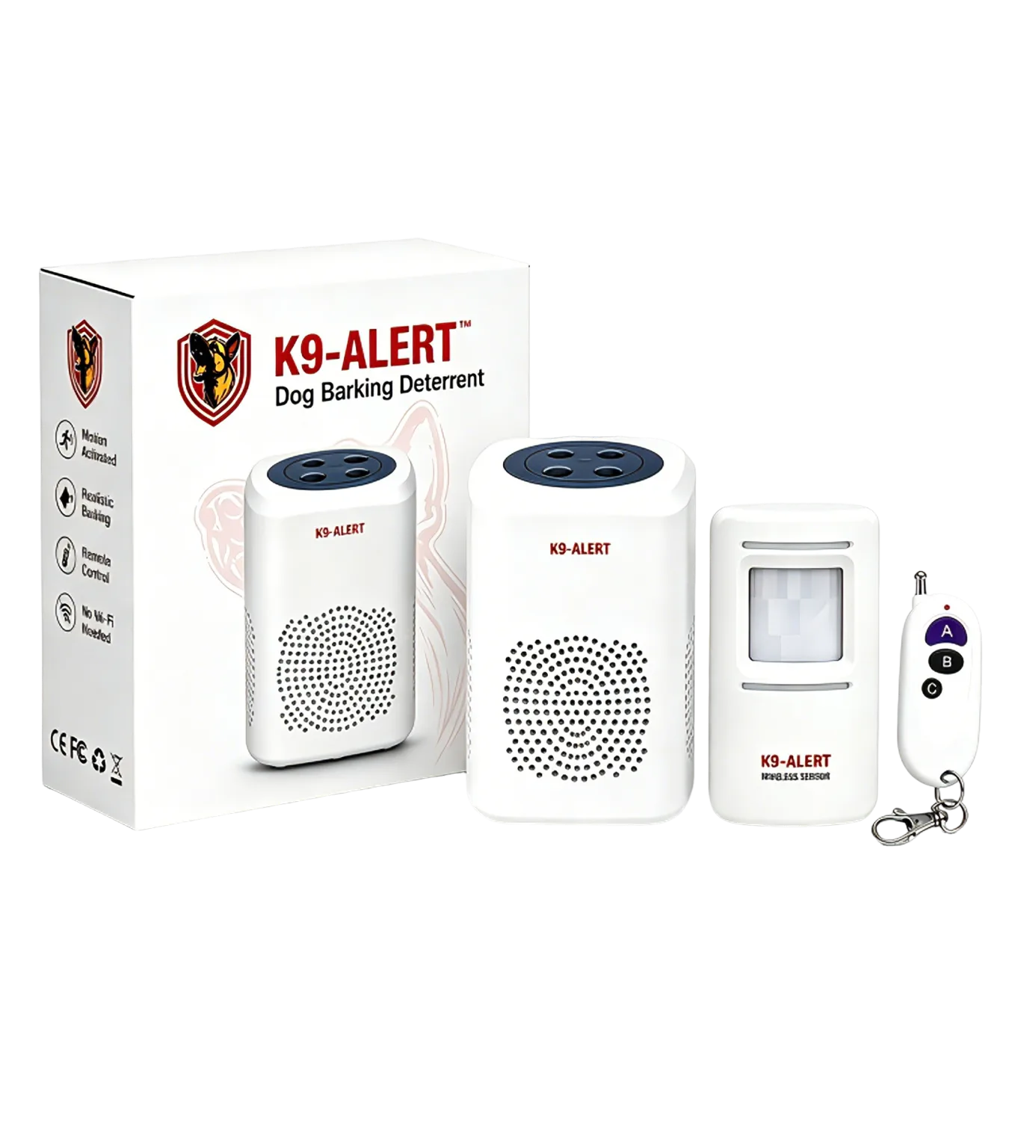
Where K9-Alert fits
The A$95 kit provides local motion-triggered sound without internet or a subscription. The sensor uses 3 AAA batteries or USB; the receiver uses 4 AA batteries or USB. It sends no phone alert and provides no monitoring response.
Read the setup guide, choose one tested receiver location and assign someone to check power and false triggers. Current multi-sensor limits and site performance must be confirmed, not inferred from the kit name.
Check whether local sound suits your shed.
K9-Alert is an optional layer for a suitable dry, tested location. It does not replace physical security, remote alerts or hazardous-area equipment.
Frequently Asked Questions
What is the best alarm for a farm shed with no power point?
There is no single best option. Battery or solar equipment may suit local sound; some cellular systems provide remote alerts if coverage and power are adequate. Decide who needs the alert, then check weather suitability, radio or data coverage, maintenance and response. Ordinary electronics must stay outside hazardous fuel areas.
Will a 200 m wireless alarm reach my steel shed?
Not necessarily. The approximately 200 m figure is an open-space radio specification, not a guarantee through steel, brick, terrain or machinery. It is also separate from PIR detection distance. Test with every component in place and doors closed; choose another arrangement if reception is unreliable.
Can one receiver warn at the shed and inside the house?
One receiver produces sound at its own location. You might hear it elsewhere, but that depends on distance, barriers and volume and must be tested. If you need two sound locations, confirm an expressly supported arrangement. Do not assume extra sensors automatically add receivers or independent zones.
How do I reduce fuel theft without adding a safety risk?
Start with suitable approved storage, access control, dispensing records and a site assessment. Ask a competent specialist which locks, lighting and electrical equipment are appropriate for the fuel and location. K9-Alert has no verified hazardous-area approval and should not be installed where flammable vapour may be present.
Product introduction
This introduction explains the product and intended setup. It does not measure sound level, sensing range, battery life or performance at your property. Check the current instructions and test the actual placement before use.