
TL;DR: Burglars rarely pick a garage at random - most test it first. Watch for tested locks, disturbed tools, chalk or tape marks near the door, and unfamiliar cars idling nearby and treat the pattern as a warning, not a coincidence. Lock every entry point, remove sightlines to valuables, and add a motion-triggered sound deterrent so the next test trips an alarm instead of confirming an easy target.

Why garages get cased before they get hit
Australian households reported 196,600 break-ins and a further 217,500 attempted break-ins in 2024-25 (ABS, 2026). Garages sit inside those figures more often than most people expect, because they are detached from the main house, poorly lit, and treated as already secured by a roller door alone.
Opportunistic does not mean instant. An Australian Institute of Criminology study of active burglars found that visible deterrence and the risk of being noticed shaped target choice more than locks alone (AIC, TANDI 489) - which means someone is often watching for that risk before they commit. A walk-past, a test of the handle, or a knock to see if anyone answers is how that risk gets checked, days or even hours before an attempt.
The physical signs burglars leave behind
Casing usually leaves a small, physical trace around the entry point itself. None of these prove anything alone, but two or more together are worth taking seriously.
- Scratches or wear around the lock or handle that were not there last week, suggesting someone has tried to pick, force or test it.
- Chalk marks, tape or stickers near the garage door, letterbox or front gate - a low-tech way of flagging a property to a return visitor.
- Tools, ladders or bins moved to sit under a window or against a fence, positioned to help someone climb rather than where you left them.
- Unfamiliar footprints or tyre marks near a side door or detached garage that gets little foot traffic from your own household.
- A garage window recently wiped clean or peered through, when dust and cobwebs usually build up undisturbed.
If you spot any of these, resist the urge to tidy up immediately - photograph the mark or disturbance first, in case it is useful later.
Behavioural signs around your property
Alongside physical traces, watch for patterns of behaviour that do not fit a normal street. A single odd event is background noise; a repeat is a signal.
The same car, more than once
An unfamiliar car parked or idling near your driveway on more than one occasion, especially during work hours when the house is empty, is a common reconnaissance pattern.
Door-knocking with no clear purpose
Someone going door to door without a delivery, a real sales pitch or an appointment may simply be checking who answers - and who does not.
A recent break-in on your street
Burglars often work a local area over several weeks. A reported break-in nearby raises the odds your street is being worked, not just theirs.
Broadcasting an empty house
Publicly posting holiday dates or long absences before you leave tells anyone watching exactly when the garage will sit unattended.
You can track recent local activity through our home burglary and shed break-in news, which summarises real Australian incidents and what tipped each one off.
What to do when you notice these signs
None of these signs need a dramatic response, but they do need a response. Start by closing the physical gaps a casing visit was probably checking: lock the internal door between the garage and the house, not just the roller door, and secure the manual override the same way you would a front door - the same weak points covered in our garage security checklist. Then remove the sightlines that let someone confirm what is worth taking, by frosting or covering a garage window and keeping tools out of view.
The layer that changes the outcome of the next visit is a deterrent that reacts before someone reaches the door.
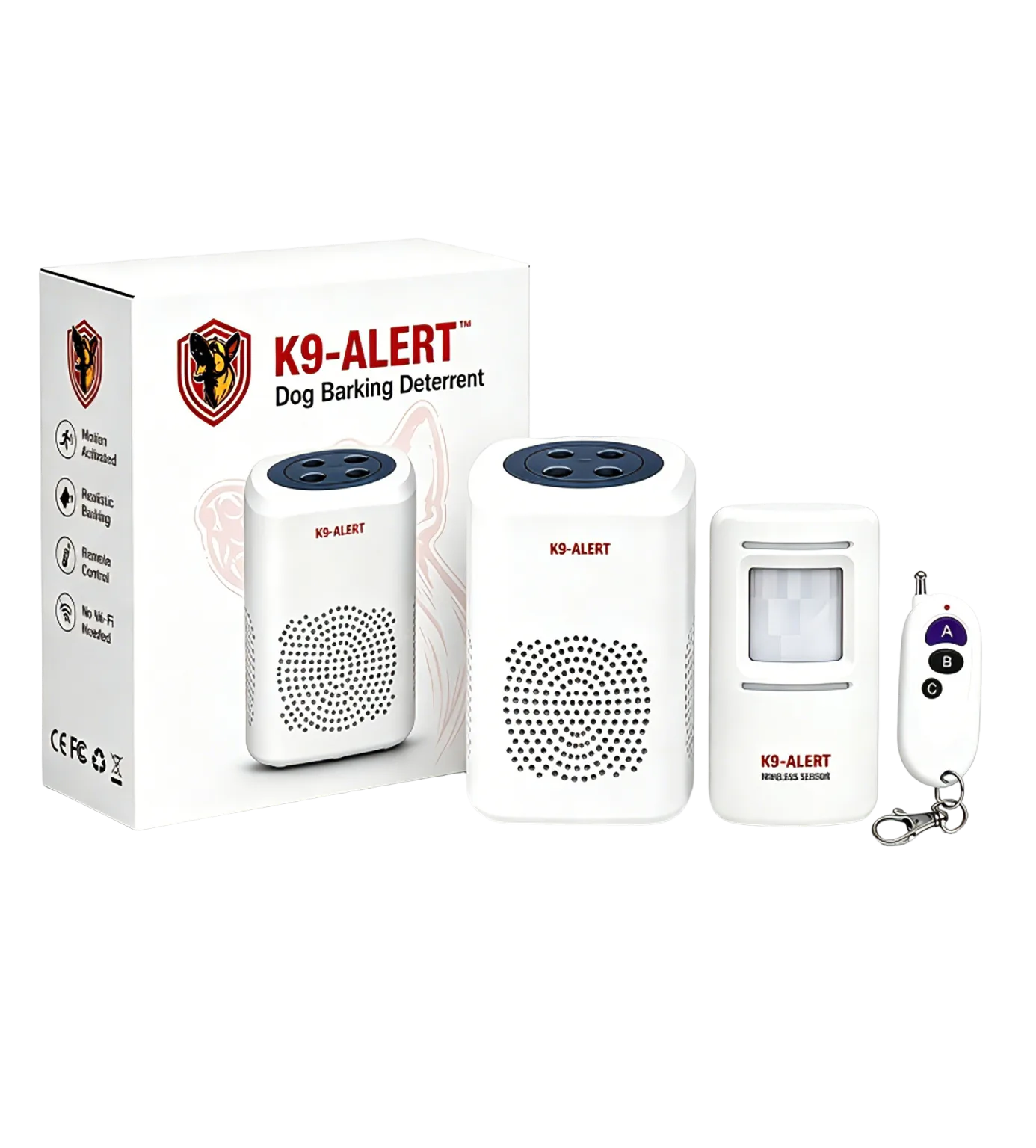
Make the next walk-past set off a bark, not a green light.
K9-Alert is a motion-triggered barking dog alarm built for garages, sheds and driveways with no Wi-Fi or nearby power point. Instead of quietly confirming your garage is unguarded, the next approach trips a realistic bark before anyone reaches the door.
- Battery or USB powered: works in a detached garage with no power run.
- Arm and disarm by remote: no app, account or subscription required.
- Expandable: cover the roller door and the side entry with additional sensors.
Your garage response checklist
If you have noticed one or more of the signs above in the past week, work through this list in order.
Do this within 24 hours
- Photograph any marks, scratches or disturbed items before you clean them up or move anything back.
- Note the details of any unfamiliar vehicle or caller - time, description and plate if it is safe to do so.
- Report the pattern to local police, even if no crime has occurred yet. Reconnaissance reports help build a picture across a street.
- Lock the internal door and manual override on the garage, not just the main roller door.
- Remove sightlines to tools, bikes or valuables by covering or frosting any garage window.
- Add motion lighting over the approach so the garage is no longer the darkest part of the property.
- Place a motion-triggered sound deterrent facing the entry, not the open garage floor.
- Tell a trusted neighbour what you noticed, so a second set of eyes is watching too.
Close the gap before it becomes a break-in.
K9-Alert adds a no-Wi-Fi barking response at the garage approach - no power point, app or subscription required.
Frequently asked questions
What do chalk marks or tape on a garage door actually mean?
Small chalk marks, tape or stickers near a garage door, letterbox or gate are sometimes used to flag a property to other opportunists - for example, whether it looks empty during the day or has an easy entry point. A single mark is not proof of anything, but combined with other signs like tested locks or a repeat visitor, it is worth acting on rather than ignoring.
Should I report a car that keeps parking near my house?
Yes, if the same unfamiliar vehicle idles or parks near your driveway more than once, especially during work hours when the house is empty. Note the time, description and plate if it is safe to do so, and report the pattern to local police. On its own it may be nothing, but reconnaissance before an opportunistic break-in often looks exactly like this.
Does a barking dog alarm stop a burglar who has already cased my garage?
It changes the outcome of the next visit. A motion-triggered barking alarm reacts the moment someone steps into the approach, which is exactly when a casing visit usually turns into an attempt. Instead of confirming the garage is unguarded, the next test trips a loud, realistic bark - the opposite signal to the one a burglar was hoping to find.
How common are garage and shed break-ins in Australia?
Australian households reported 196,600 break-ins and a further 217,500 attempted break-ins in 2024-25 (ABS, Crime Victimisation 2024-25). Garages and sheds are frequently the entry point in these figures because they are detached, poorly lit and treated as already secured by a roller door alone.