
TL;DR: The anxiety that follows a break-in is a normal stress response, not a sign that something is wrong with you. Practical action — fixing the entry, adding deterrents, improving lighting — genuinely helps because it addresses the underlying uncertainty. The goal is not just better locks, but a restored sense that your home is yours again.
What you are feeling is a normal response
A break-in is a violation of your most private space. The psychological response — hypervigilance, difficulty sleeping, checking locks repeatedly, anxiety about being home alone — is a normal stress response to a real event. You do not need to "just get over it."
Research on the emotional impact of residential burglary consistently shows that the psychological effects often outlast the practical ones. The material losses can usually be replaced; the sense that your home is a safe place takes longer to rebuild.
Understanding this is the first step. The second is taking practical action — not because the fear is irrational, but because visible, tangible security changes genuinely reduce both the real risk and the psychological sense of vulnerability.
Why practical action helps psychologically, not just practically
There is a well-documented link between a sense of control and psychological recovery from stressful events. When you take concrete steps — fixing the broken lock, adding exterior lights, placing a motion-activated deterrent — you are doing something more than reducing real risk. You are demonstrating to yourself that the situation is not out of control.
This is different from false reassurance. A new lock on a damaged door frame does not make the home impenetrable. But knowing you have added a layer that activates before anyone reaches your door — a motion-triggered barking alarm that sounds like a dog is now in residence — provides a specific, grounded reason to feel more secure.
The goal is to move from "hoping it doesn't happen again" to "knowing I have done what I reasonably can." That shift in mental posture is significant.
Practical steps to rebuild security and confidence
Fix the entry point that was used
An unrepaired lock or broken door frame is a constant visible reminder of the breach. Fix it as quickly as possible — call a 24-hour locksmith if needed that night. Do not leave it as an open wound.
Add a sound deterrent at entry points
The most effective psychological reassurance is audible: knowing that if someone approaches your front door or back gate, something will respond. A motion-activated barking alarm does this — it reacts to approach before any entry is attempted, turning your home from a silent, easy target to one that sounds occupied and protected.
Victoria Police specifically recommends auditory cues as part of their home-burglary prevention advice — even leaving out a dog bowl signals occupancy. A barking alarm is this principle made active and responsive.
Improve exterior lighting
Motion-activated lights at all entry points do two things: they make you feel safer (someone approaching will be visible and lit) and they reduce the practical risk (intruders avoid lit entry points). Install them at the front and back of the property, and particularly at any passage or gate used in the incident.
Check your windows and secondary entry points
After a break-in, spend one afternoon checking every window latch, back gate, and garage entry. Knowing you have physically tested each one replaces vague anxiety with specific knowledge.
Tell trusted neighbours
Community watchfulness is a practical deterrent. Letting two or three trusted neighbours know what happened means extra eyes on your property. It also reduces the isolation that can follow a break-in — having people around you who know and care matters.
Establish a routine
Anxiety about home security often peaks in moments of transition — arriving home, going to bed, leaving for work. A simple routine helps: arm the alarm at the back door, check the front lock, confirm the lights are set. Routine transforms these moments from triggers of anxiety into confirmations of control.
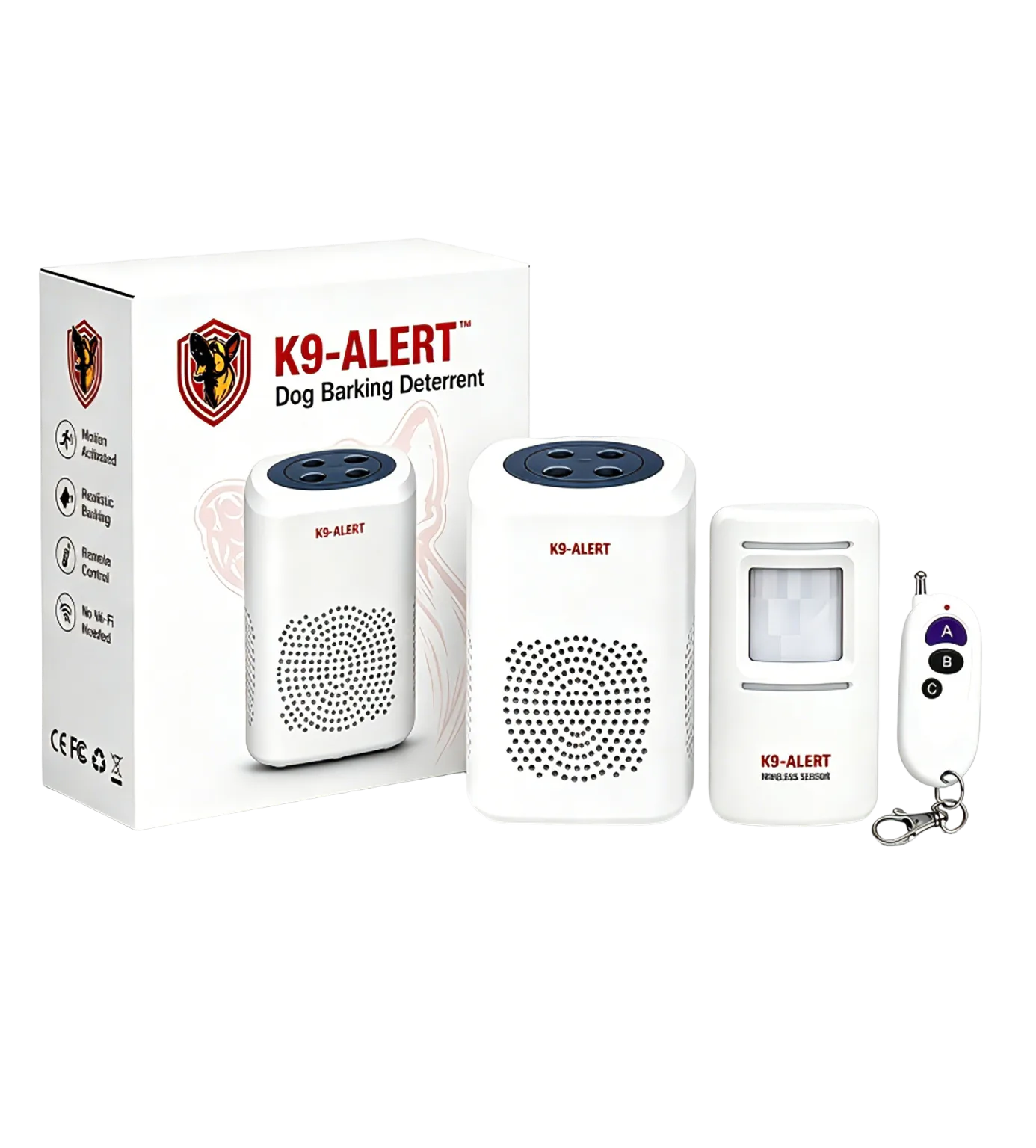
The "someone's home" sound layer.
K9-Alert is a motion-triggered barking alarm. Place the wireless sensor at an entry point; the receiver inside triggers realistic dog barking the moment motion is detected outside. No Wi-Fi, no app, no monthly fee.
- Reacts before entry — at the approach, not after the breach.
- Arm and disarm from your key ring — no fumbling when you come home.
- Portable — take it if you move, or add a second sensor to a back entry.
When anxiety persists
For most people, the acute anxiety after a break-in reduces naturally once the entry is repaired and basic security improvements are in place. But for some — particularly if the break-in was violent, if someone was home at the time, or if it is a repeated experience — the psychological effects can be more persistent.
If you find yourself:
- Unable to sleep for more than a few nights after
- Avoiding being home alone
- Experiencing intrusive thoughts or flashbacks
- Withdrawing from activities you normally enjoy
It is worth talking to someone. A GP is a good first step. The following services provide free support:
- Beyond Blue: 1300 22 4636 — 24/7, free
- Lifeline: 13 11 14 — 24/7, free
- Head to Health: headtohealth.gov.au
Getting support is not a sign of weakness. A break-in is a genuinely difficult experience, and the professional tools to process it exist specifically for situations like this.
Take back control — add a deterrent layer today.
K9-Alert is a motion-activated barking alarm for Australian homes. No wiring, no app, no subscription. $99.95 with free AU shipping and a 30-day money-back guarantee.
Order K9-AlertFrequently asked questions
Is it normal to feel anxious after a break-in?
Yes. Hypervigilance, difficulty sleeping and repeatedly checking locks are a normal stress response to a real event, and the psychological effects often outlast the practical ones.
How do I feel safe in my house again after a burglary?
Take visible, practical action: repair the entry point, improve exterior lighting and add a motion-triggered deterrent at the approach. Tangible changes reduce both the real risk and the sense of vulnerability.
Why does practical action help emotionally?
There is a well-documented link between a sense of control and recovery from stressful events. Concrete steps demonstrate to yourself that the situation is not out of your hands.
What if the anxiety doesn't go away?
Persistent anxiety after a burglary is common and treatable. If it keeps affecting sleep or daily life, speak to your GP or a mental-health support service rather than waiting it out.
See the barking dog alarm in action
Product claims are easier to judge when you can hear the device. This short demo shows the K9-Alert barking dog alarm detecting movement and playing realistic barking, so you can assess the sound before deciding where it fits in your home, garage, shed or rental.