
TL;DR: Most tradie tool theft is opportunistic — a thief scans a car park or job site for the easiest unprotected target. The combination of physical hardening (quality locks, hidden cable anchors), visible deterrents (alarm stickers, motion-activated alarms), and habit discipline (never leave tools visible, arm before you leave) stops the majority of attempts before they start.
Why tradies are a primary target
Tool theft targeting tradies is one of the most common property crimes in Australia. The reasons are straightforward from a thief's perspective:
- High-value, portable items: power tools — drills, saws, grinders, measuring equipment — are compact, untraceable, and have a ready second-hand market.
- Predictable locations: a tradie's ute is parked at the same job site for days. The thief can scout the location in advance and return at a predictable time.
- Unattended for long periods: overnight at the job site, parked at a hardware store, or left in a street while you work inside — there are multiple windows of opportunity each day.
- Underprotected: many tradies rely on the factory lock on their ute lid or toolbox, which offers minimal resistance to a pry bar.
The three layers of ute tool security
Layer 1: Physical hardening — making access slow and loud
The goal of physical hardening is not to make theft impossible. It is to make it slow enough, loud enough, and visible enough that the thief moves on to an easier target.
- Aftermarket toolbox with quality lock: the factory "slam latches" on most ute toolboxes can be pried open in seconds. An aftermarket aluminium canopy or checker-plate toolbox with a quality padlock shackle is significantly harder.
- Hardened steel padlock: a standard padlock shackle can be cut with bolt cutters in seconds. A hardened-steel, anti-cut padlock with a shrouded shackle (Abloy Protec, Mul-T-Lock) resists bolt cutters and angle grinders long enough to matter.
- Cable locks for individual tools: anchor high-value power tools to the tray or toolbox frame with a loop cable. Even if the toolbox is opened, individual tools require additional time to cut free.
- Ute canopy vs tray cover: a full canopy offers significantly better protection than a roll cover. Roll covers are convenient but provide minimal physical resistance.
Layer 2: Noise deterrents — alarms that fire before the toolbox is open
Physical hardening buys time. A noise alarm buys attention — and in a public car park or job site, attention is the thief's enemy.
A motion-triggered alarm placed in the ute tray or canopy fires before the toolbox is even opened. The key characteristics of a useful ute alarm:
- Triggers on approach or movement: a PIR motion sensor or door/vibration sensor that activates before the lock is engaged, not after.
- Loud enough to embarrass: 110+ dB in a public car park makes every head turn. Embarrassment is the thief's primary fear; attention is the main deterrent.
- Quick arm/disarm: if it takes 30 seconds to disarm, you'll stop using it. A key fob that disarms in one press means the habit sticks.
A barking dog alarm placed inside the canopy or tray also works in an unexpected way at a job site: a bark coming from a ute is startling and incongruous. It creates immediate attention and uncertainty about who is nearby — exactly the conditions a thief wants to avoid.
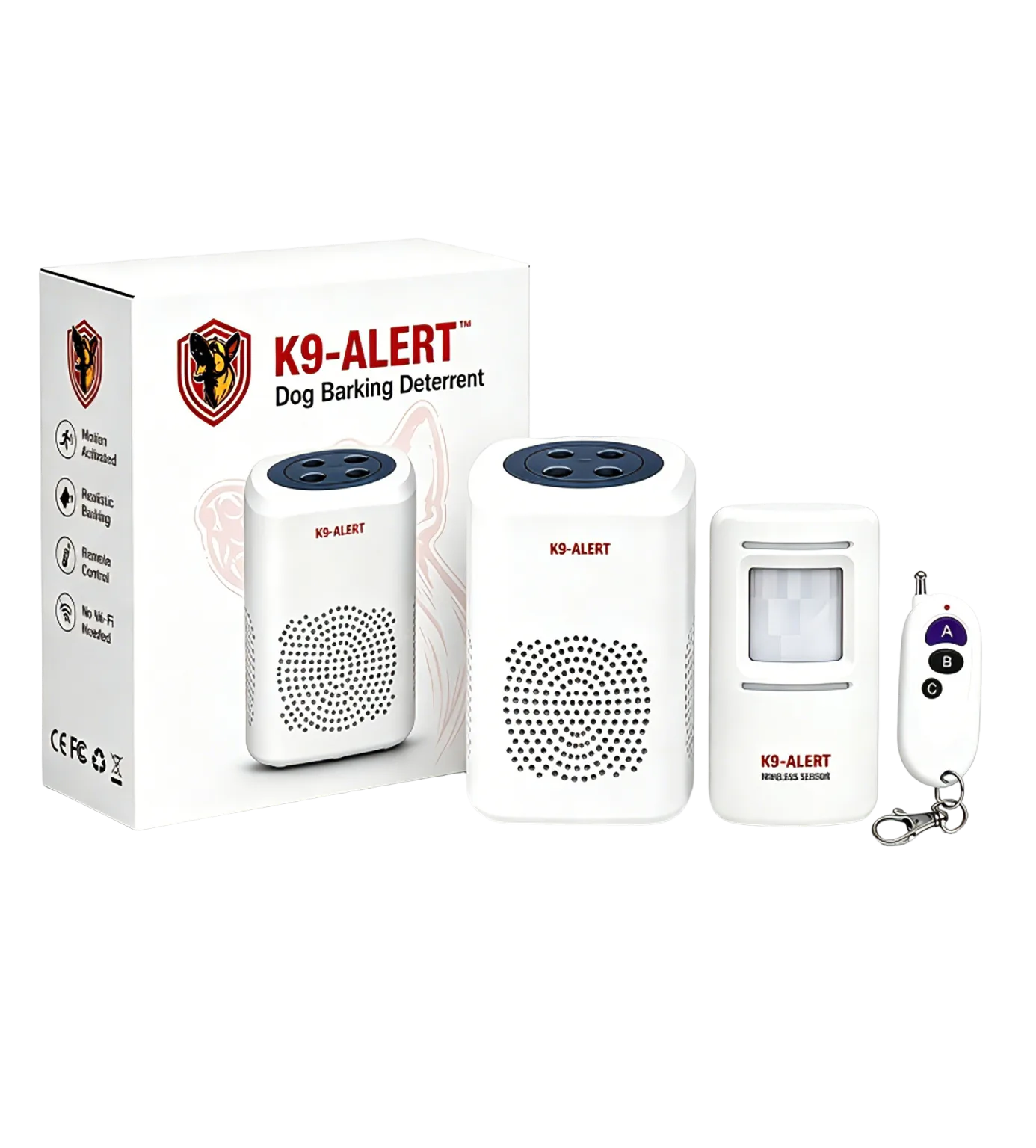
K9-Alert: place it anywhere, arm in one press
K9-Alert is a wireless, battery-powered motion alarm. Position the sensor inside your toolbox, canopy, trailer, or at the job site entry — any movement triggers the bark alarm. Arm and disarm with the key fob remote.
- No wiring needed: sensor runs on batteries, mounts anywhere.
- Wireless range up to 200 m line-of-sight (less through walls): sensor in the ute tray, alarm anywhere you position the receiver.
- Multiple sensors: expand to cover a trailer, storage cage, or second vehicle.
Layer 3: Habit discipline — the free security layer
The security habits that matter most cost nothing:
- Never leave tools visible in the cab: a drill on the back seat or a tool bag visible through a window is an invitation. Everything stays in the locked tray or canopy.
- Park strategically: park in high-traffic areas where there are more eyes. A quiet, isolated end of a car park is a thief's preferred working environment.
- Arm the alarm every time you leave the vehicle: a key fob arm takes one second. Most tool theft happens at moments when you "just ran in quickly."
- Vary your parking spot at regular job sites: predictable parking locations over multiple days give thieves time to scout and plan.
- Take the most portable tools inside each day: cordless drill, multi-tool, laser level — if it fits in a bag and is worth more than a few hundred dollars, it comes inside overnight.
Overnight job site security
Overnight job sites are the highest-risk scenario. The site is known, the schedule is predictable, and the tools are often left because moving them is inconvenient. The practical approach:
- Lock tools in a site lock box or steel storage box: a serious steel lock box with a quality padlock is far more resistant than ute toolboxes or trailer storage.
- Position a motion alarm at the site entry or near the lock box: any movement after hours triggers the alarm. Even at a remote job site, the sound alerts nearby residents or other tradespeople.
- Post security signage: "SITE ALARMED — 24HR SECURITY MONITORING" is cheap and effective even if monitoring is manual. The suggestion of monitoring changes the risk calculation.
- Lighting: a battery-powered motion-activated light pointed at the entry point removes the cover of darkness.
Tool theft vs insurance: the real maths
| Prevention measure | Cost | Effect |
|---|---|---|
| Quality padlock (hardened shackle) | A$80–150 once | Dramatically slows physical access |
| Wireless motion alarm (K9-Alert) | A$99.95 once | Noise deterrent before toolbox opened |
| Tool insurance policy | A$400–800+/year | Reimburses after theft — doesn't prevent it |
| Cable anchor locks | A$40–80 once | Slows individual tool removal |
Insurance is important — but it costs more each year than prevention equipment costs once, and it doesn't give you your tools back for the three days it takes to process a claim.
Stop tool theft before it happens.
K9-Alert is a motion-triggered barking alarm for utes, trailers, job sites, and sheds — battery powered, wireless, no subscription. A$99.95 with free AU shipping.
Order K9-Alert · $99.95Frequently Asked Questions
How common is tradie tool theft in Australia?
Tool theft is extremely common among Australian tradies. Industry surveys suggest the average tradie loses several thousand dollars worth of tools per incident, with multiple incidents over a career being the norm rather than the exception. Ute toolboxes, trailers, and job sites left unattended overnight are the primary targets.
What is the best alarm for a tradie ute toolbox?
The most practical ute toolbox alarm is a wireless motion-triggered unit that runs on batteries, sounds immediately on detection, and can be armed and disarmed quickly with a key fob. The K9-Alert places the wireless sensor inside the toolbox or tray area and the speaker/receiver in the cab — any movement in the tray area triggers the alarm before the toolbox is opened.
How do I secure a job site overnight?
Overnight job site security should combine: physical barriers (locked site hoardings, lock boxes), removal of the most valuable tools to a secure location, a motion-triggered alarm covering the main access point, and signage indicating the site is alarmed. A barking dog alarm is particularly effective because the occupied-home cue is unexpected at a construction site and prompts immediate withdrawal.
Does insurance cover stolen tools from a ute?
Tool cover insurance and tradies-specific policies vary widely. Many standard vehicle policies exclude tools and equipment. A dedicated tool and equipment insurance policy covers theft, but premiums increase with claims history. Prevention — physical hardening and alarms — is consistently cheaper than insurance over time.
See the barking dog alarm in action
Product claims are easier to judge when you can hear the device. This short demo shows the K9-Alert barking dog alarm detecting movement and playing realistic barking, so you can assess the sound before deciding where it fits in your home, garage, shed or rental.